
Description
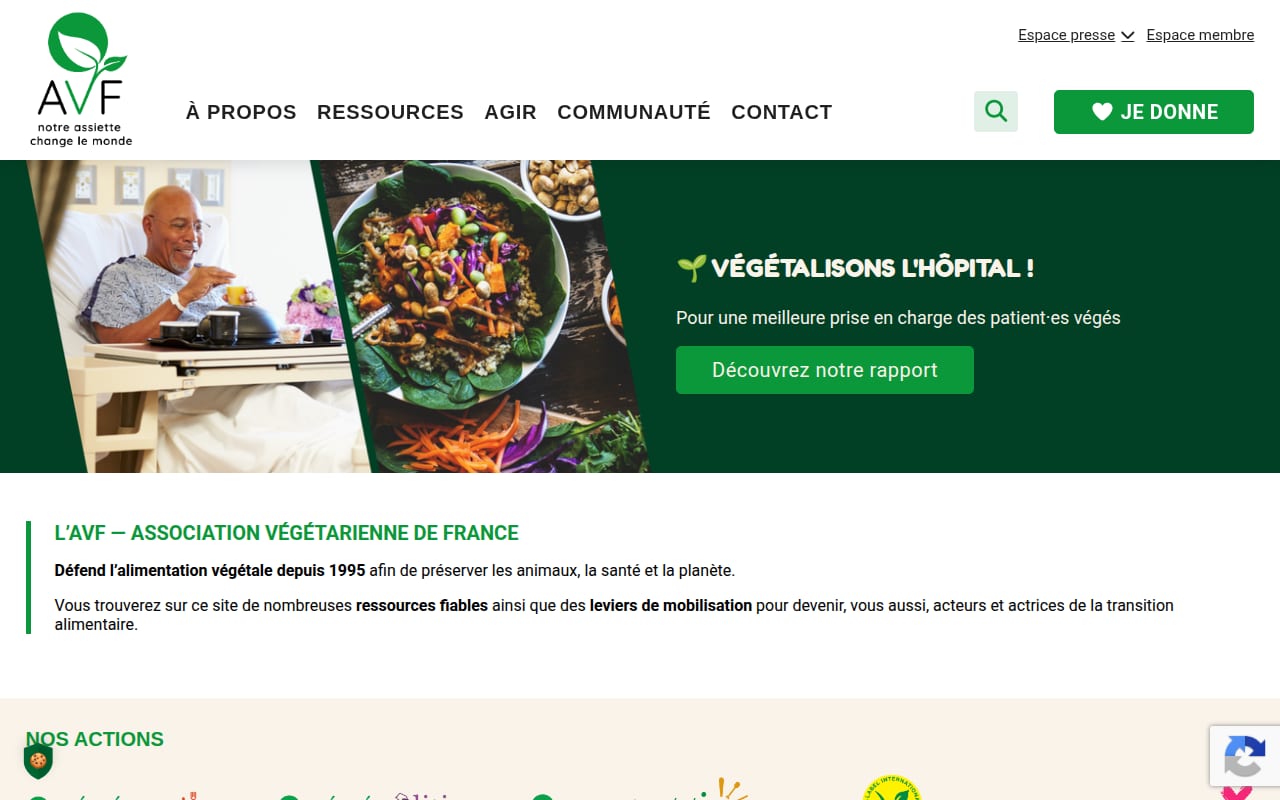
The Association Végétarienne de France (AVF) is a French non-profit that helps people eat less meat or none at all, with free leaflets on nutrition, recipes, cooking workshops, the Défi Veggie challenge and local groups. It also campaigns for a daily vegetarian option in school and public canteens.
It was founded in 1994 as the Alliance végétarienne, on the model of Britain’s Vegetarian Society, and took its current name around 2007. It is not religious and not tied to a party, and belongs to the European Vegetarian Union. Its volunteer teams ran 156 events in 2025, and since 2026 it has run Veganuary in France. The AVF says its campaigning helped win the weekly vegetarian school meal in 2019.
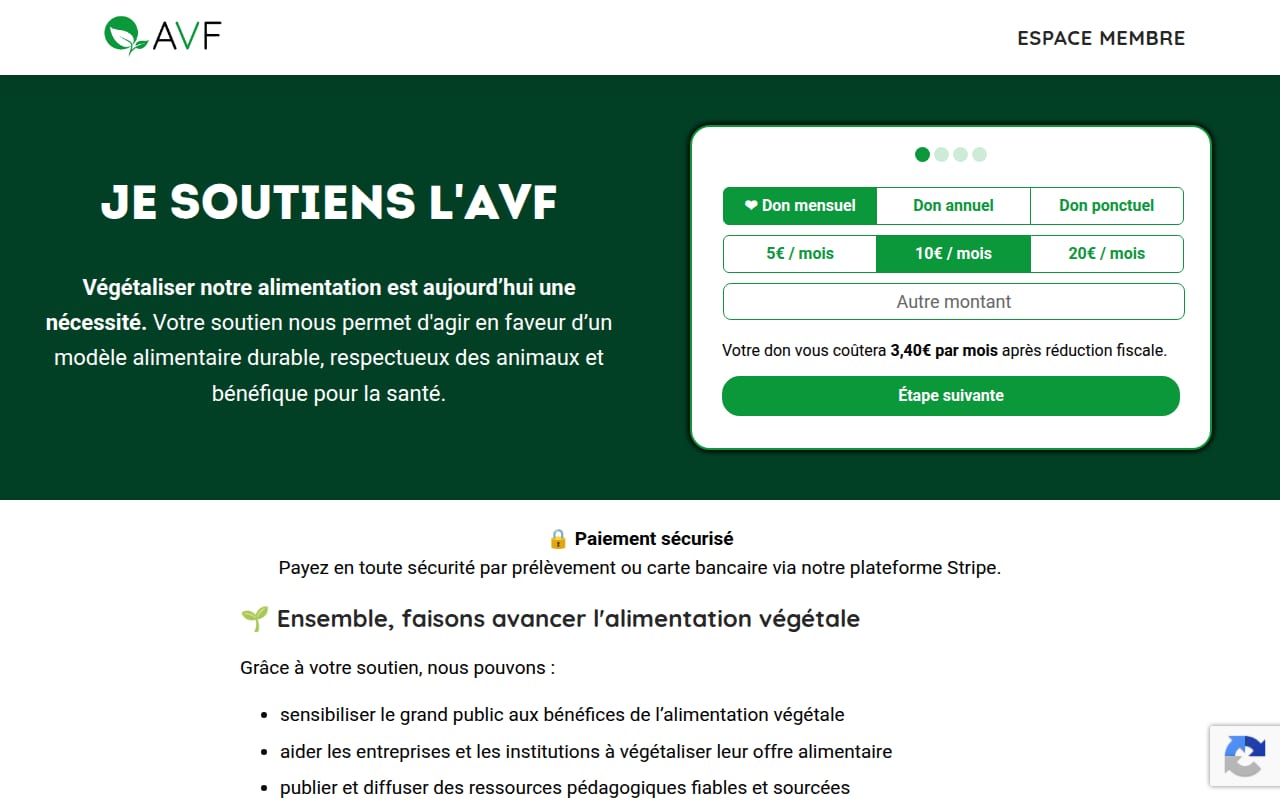
Since January 2025 any donation of at least 10 € a year makes a person a member, with a vote at the general meeting and discounts at partner shops; the printed magazine ViraGe comes from 35 € a year (checked November 2026), and back issues are free online. The AVF is also the French licensor of the V-Label, which shows that a product is vegetarian or vegan; it had certified more than 1,100 products in 2023, including for McDonald’s, KFC, Carrefour and Lidl.
Strengths
- The leaflets, recipes and back issues of the magazine are free online, and membership starts at 10 € a year.
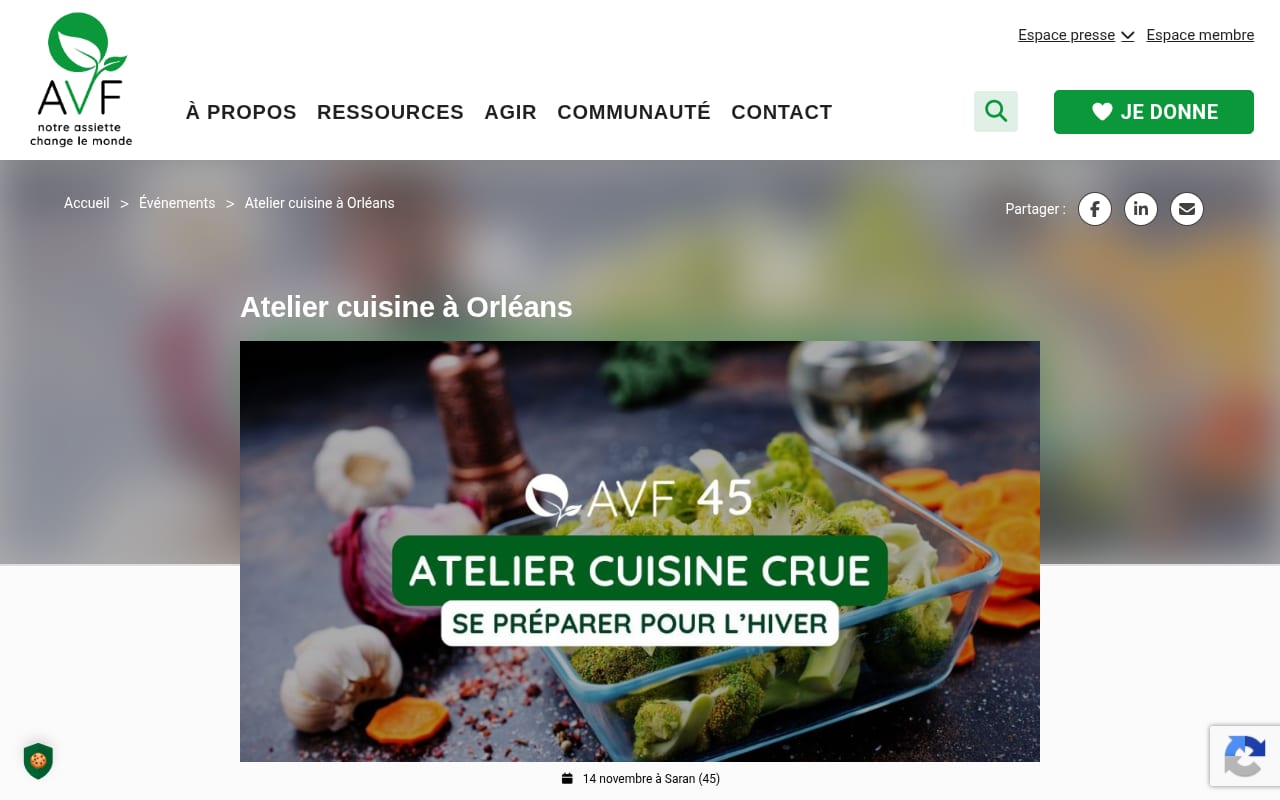
- Cooking workshops and local groups teach in person how to replace meat, beyond a list of recipes.
- Its canteen campaign targets meals that millions of children eat, where one menu change counts more than one household’s choice.
Weaknesses
- The V-Label only checks that a product is vegetarian or vegan: it has no criteria on health, additives or the environment.
- Local groups depend on volunteers, so workshops and events are concentrated in a few cities.
- It publishes few figures on its members and budget, and its 2025 report mentions a recovery after financial difficulties.
Who it is for
People in France who want to eat less meat and need practical help, from recipes to cooking classes, and parents or local officials working on vegetarian meals in canteens.