
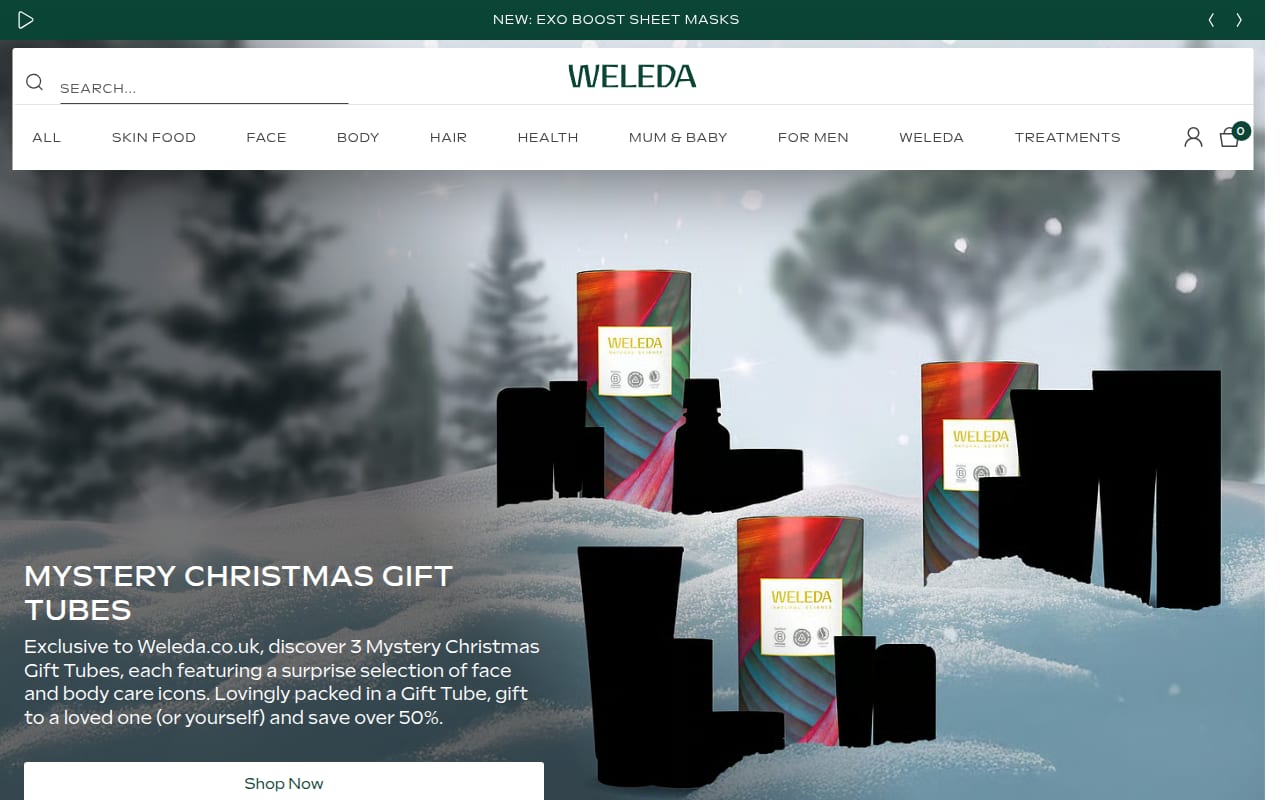
Description
Weleda is a Swiss maker of natural cosmetics and anthroposophic medicines, founded in 1921, with its head office in Arlesheim near Basel and its largest site at Schwäbisch Gmünd in Germany. Its creams, soaps, oils and baby care products are certified natural cosmetics under the NATRUE label. It is an alternative to conventional cosmetics with mineral oils, silicones and synthetic fragrances.
Ita Wegman, Rudolf Steiner and Oskar Schmiedel founded it, and it is a Swiss public limited company (AG). In 2025 it reached its highest revenue so far, €484.6 million, of which €401.9 million came from cosmetics and €82.7 million from medicines, but its operating profit fell to €9.5 million because of investment in the brand and weaker sales of homeopathic and anthroposophic medicines. The company has B Corp certification and has held EMAS environmental certification since 2013.
Weleda says that 81 % of its plant raw materials come from organic or biodynamic farming, some from its own medicinal plant gardens at Schwäbisch Gmünd, and that 77 % of its primary cosmetics packaging is recycled material, for example aluminium tubes with 95 to 100 % recycled aluminium. Its products are sold in pharmacies, organic shops and drugstores. Its anthroposophic medicines rest on a medical system whose effect has not been proven; the company says it is planning clinical studies on two of them.
Strengths
- All cosmetics certified natural under NATRUE, without mineral oils or silicones.
- 81 % of plant raw materials organic or biodynamic, and 77 % recycled material in cosmetics packaging.
- Simple, long-lasting products such as Skin Food, easy to find in pharmacies and drugstores.
Weaknesses
- Many products still come in plastic or aluminium tubes, even if largely recycled.
- Its medicines are based on anthroposophic medicine, whose effect is not proven.
- A large international company whose profit fell sharply in 2025.
Who it is for
People who want certified natural cosmetics that are easy to find in pharmacies and drugstores.
Sources
- Weleda: Über Weleda, Unsere Verantwortung, Geschäfts- und Nachhaltigkeitsbericht 2025, notre histoire, B Corp, checked November 2026