
Description
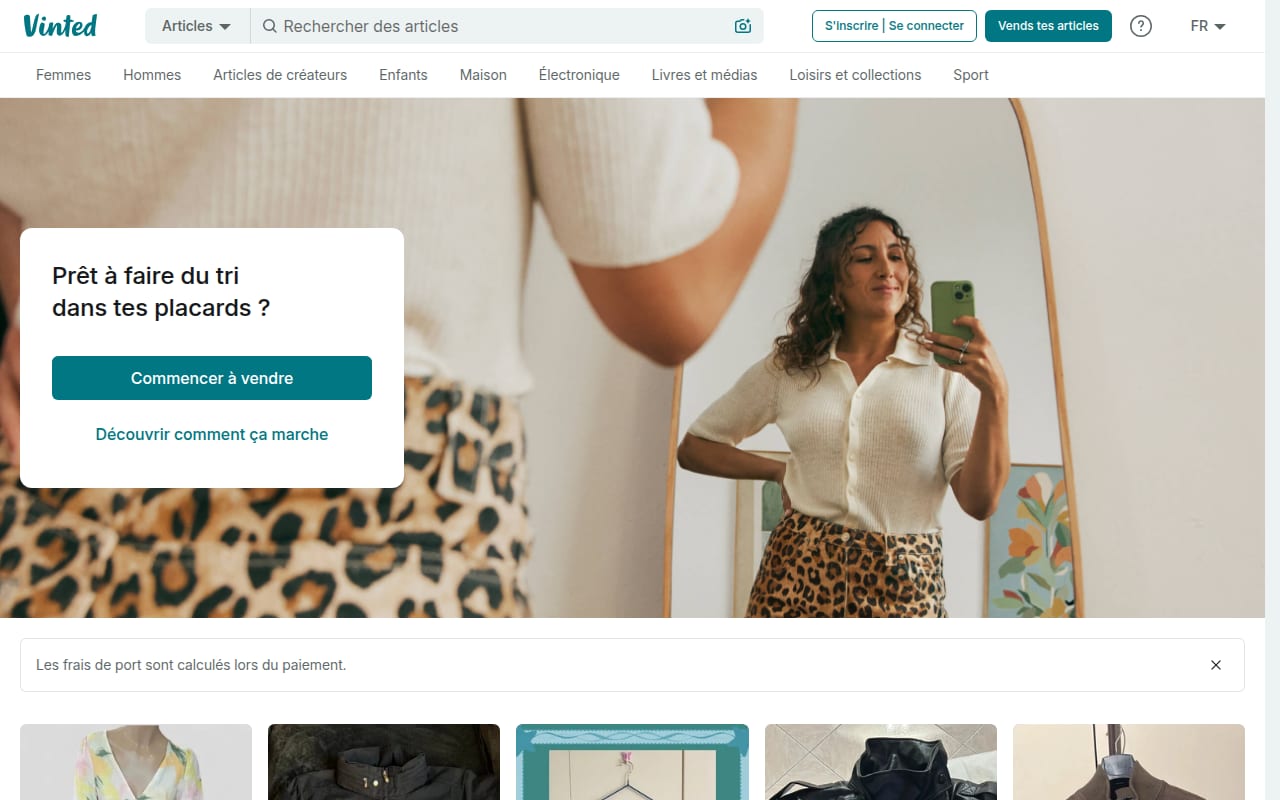
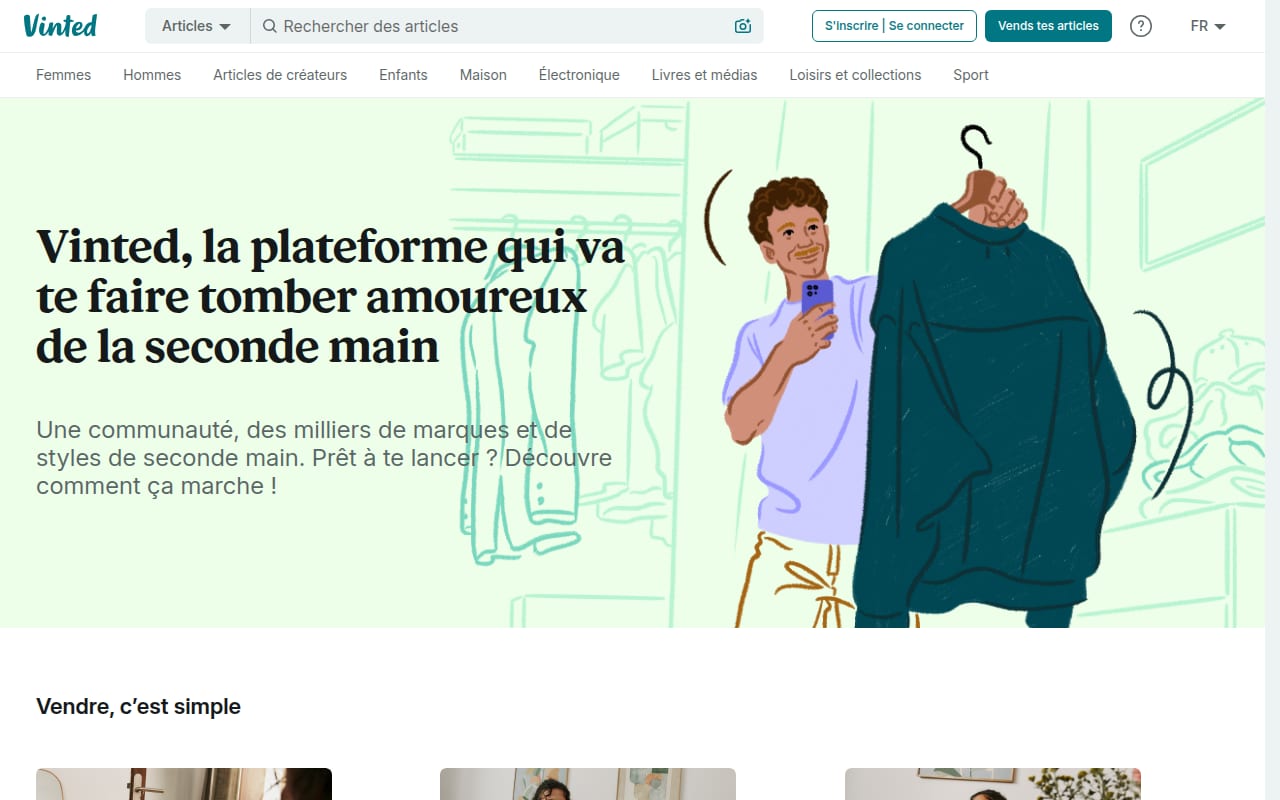
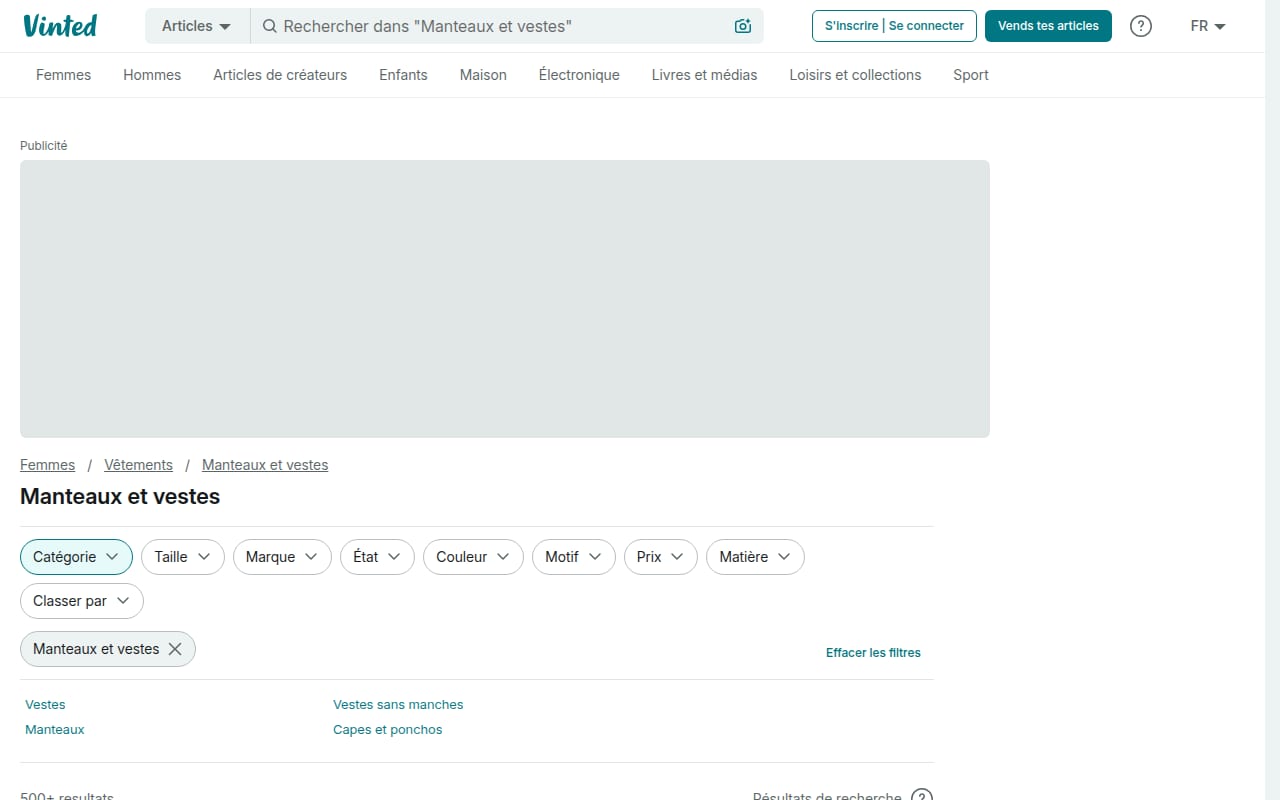
Vinted is a website and app for selling second-hand items between private people: mostly clothes, but also shoes, children’s things, books, homeware and electronics, usually at prices far below new. Selling is free for private sellers. It is an alternative to buying new clothes from fast-fashion chains.
Milda Mitkutė and Justas Janauskas founded it in Vilnius, Lithuania, in 2008. Thomas Plantenga is now its CEO, and investors include Accel, EQT Growth, Lightspeed and Burda Principal Investments; in April 2026 a share sale valued it at €8 billion. In 2025 it had €1.1 billion in revenue, €62 million in net profit and more than 2,200 employees, and it works in more than 26 markets, mostly in Europe. The buyer pays the price, shipping and a buyer-protection fee of about €0.70 plus 5 % (October 2026), which covers lost, damaged or misdescribed parcels.
Vinted says that in 2025 its members avoided 1.6 million tonnes of CO₂e, because 76 % of orders replaced a new purchase; these are its own modelled figures, and 94 % of its own emissions come from deliveries. In July 2024 the Lithuanian data protection authority fined it about €2.4 million over its handling of users’ personal data. Swedish police reported around 300 fraud cases in early 2024, and a 2024 Channel 4 documentary raised concerns about child safety on the platform.
Strengths
- Second-hand clothes at very low prices, and free selling for private people.
- A huge choice, especially for children’s clothes worn only briefly.
- Buyer protection covers parcels that are lost, damaged or don’t match the description.
Weaknesses
- On very cheap items, the buyer-protection fee and shipping weigh heavily.
- No trying on, and returns only if the seller agrees.
- A venture-funded company fined for data protection failures, with fraud cases and child-safety concerns reported.
Who it is for
Parents dressing fast-growing children, and anyone who wants to buy second-hand clothes cheaply or resell what they no longer wear.
Sources
- Vinted: about, sustainability, 2025 financial results, checked November 2026
- Wikipedia: Vinted