

Description
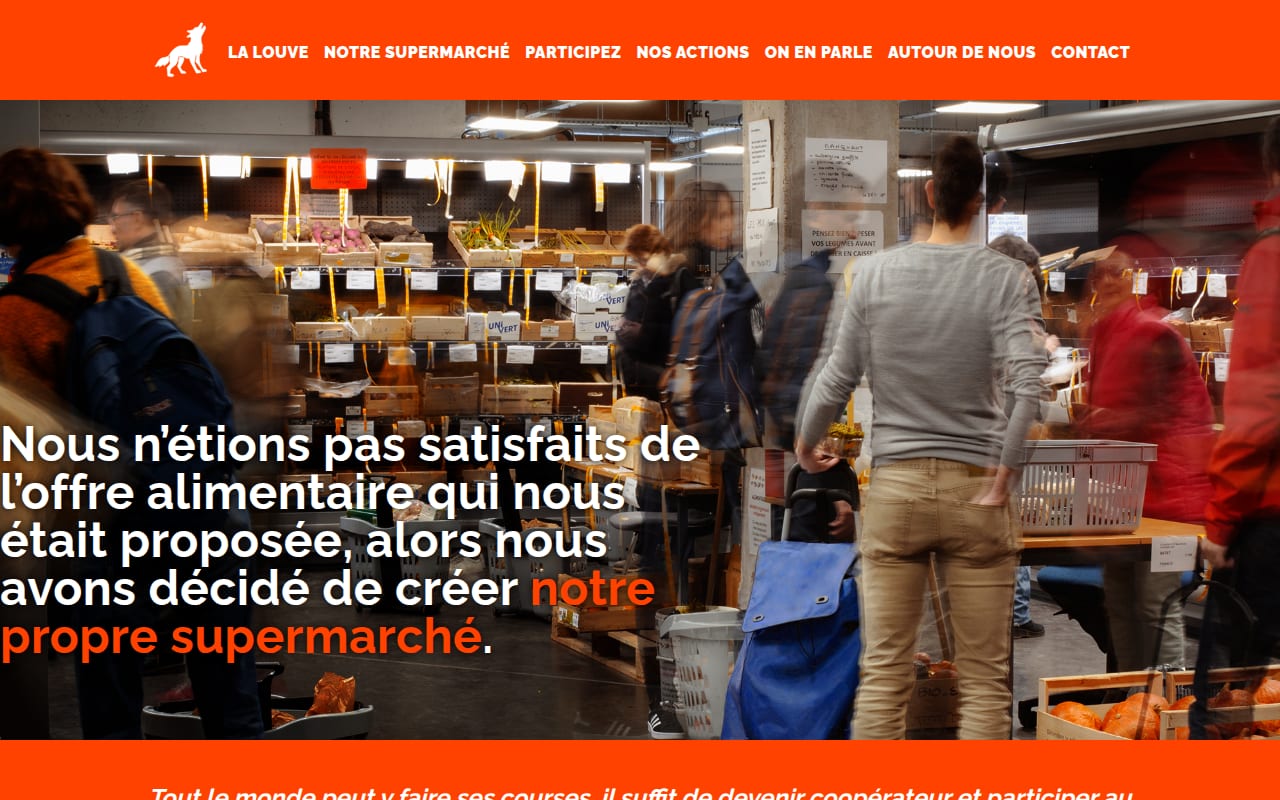
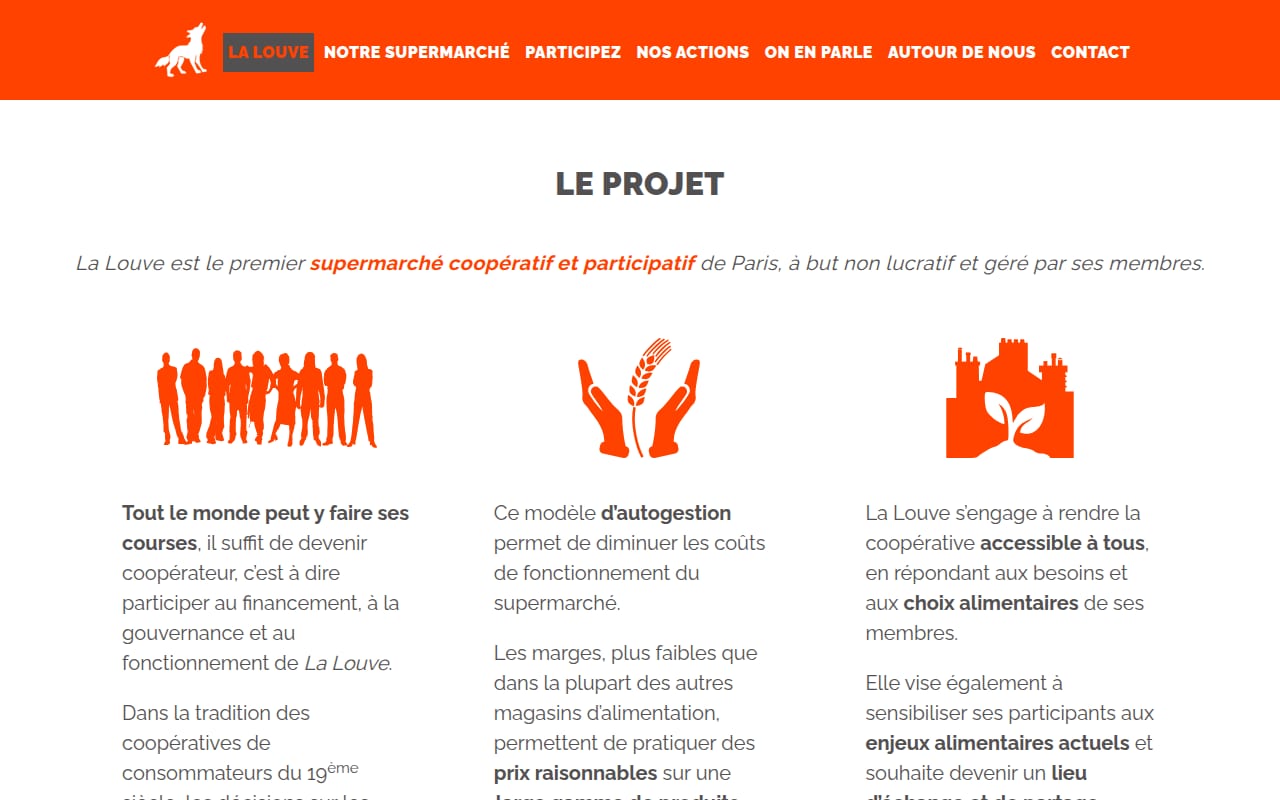
A cooperative supermarket belongs to its customers: each member buys shares, works a few hours a month in the shop and buys food there at lower margins than in ordinary supermarkets. Only members can shop. It is an alternative to supermarket chains that set prices and margins for their shareholders.
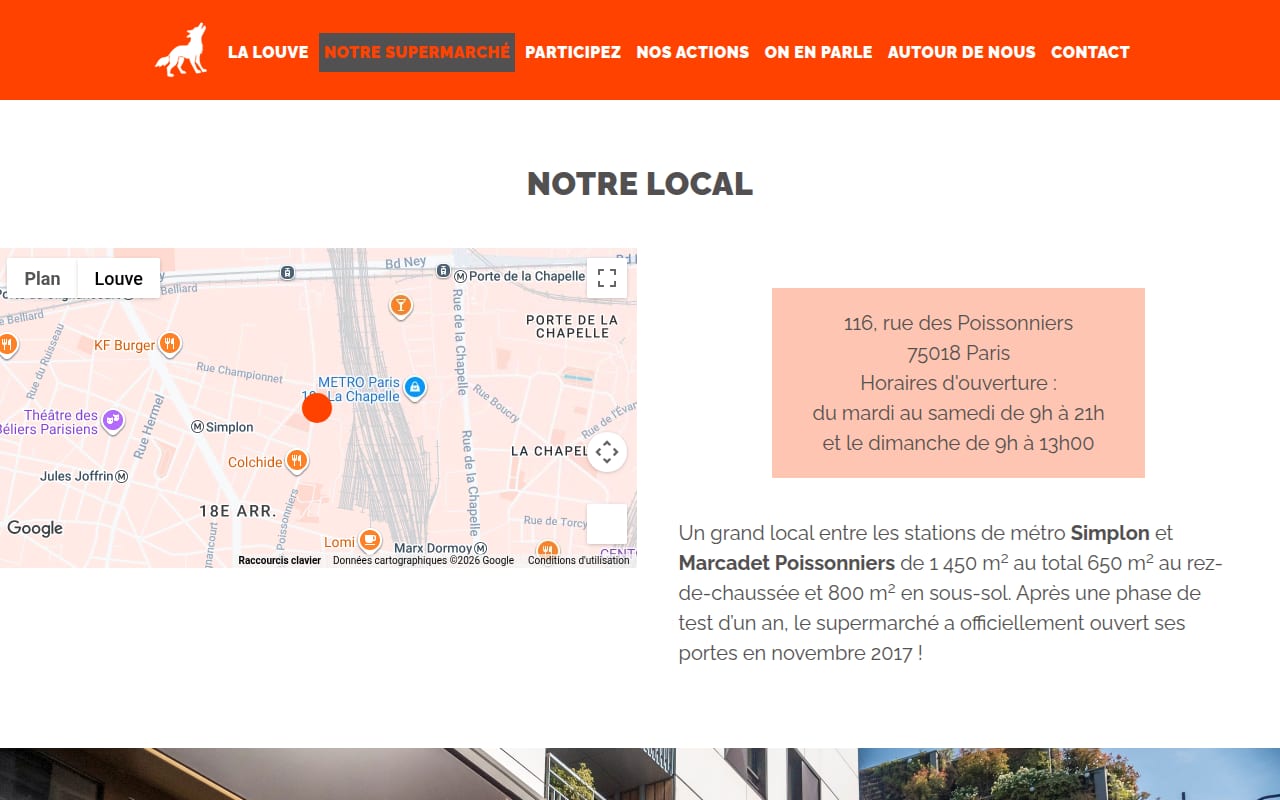
La Louve, in the 18th arrondissement of Paris, was the first in France. Two Americans living in Paris, Tom Boothe and Brian Horihan, started the project in 2010 on the model of the Park Slope Food Coop in New York; the shop opened in test mode in November 2016 and officially in November 2017. It is a consumer cooperative organised as a simplified joint-stock company (SAS), with one member, one vote whatever the number of shares, and no dividends. In 2024 more than 5,000 members could shop there, Tuesday to Saturday from 9 am to 9 pm and on Sunday mornings.
Joining means attending a welcome meeting, with limited places, and buying at least €100 in shares; people on minimum benefits, students on grants and civic-service volunteers pay €10. Shares can be refunded on leaving, at most at their face value and after the annual general meeting. Every member then works a three-hour shift every four weeks, at the till, in stock or cleaning. The shop sells mostly organic, craft or local products alongside ordinary brands. Similar shops exist in Lille (SuperQuinquin), Montpellier (La Cagette), Bordeaux, Toulouse, Nantes, Grenoble and other towns.
Strengths
- Lower margins than in most food shops, made possible by the members’ work, on mostly organic and local products.
- One member, one vote, whatever the number of shares, and no dividends to outside shareholders.
- Shares can be refunded on leaving, and a reduced €10 entry is open to people on low incomes.
Weaknesses
- The three-hour shift every four weeks is compulsory, and only one adult per household can do it.
- Joining starts with a welcome meeting with limited places, and refunds of shares take until after the annual meeting.
- Only in some cities, and no recent published figures compare their prices with ordinary supermarkets.
Who it is for
People living near a cooperative supermarket who can give three hours every four weeks in exchange for food they help choose, at lower margins.
Sources
- La Louve: présentation, participez, FAQ, notre supermarché, checked November 2026
- Wikipédia: La Louve (supermarché)
- Wikipédia: Magasin coopératif et participatif