
Description
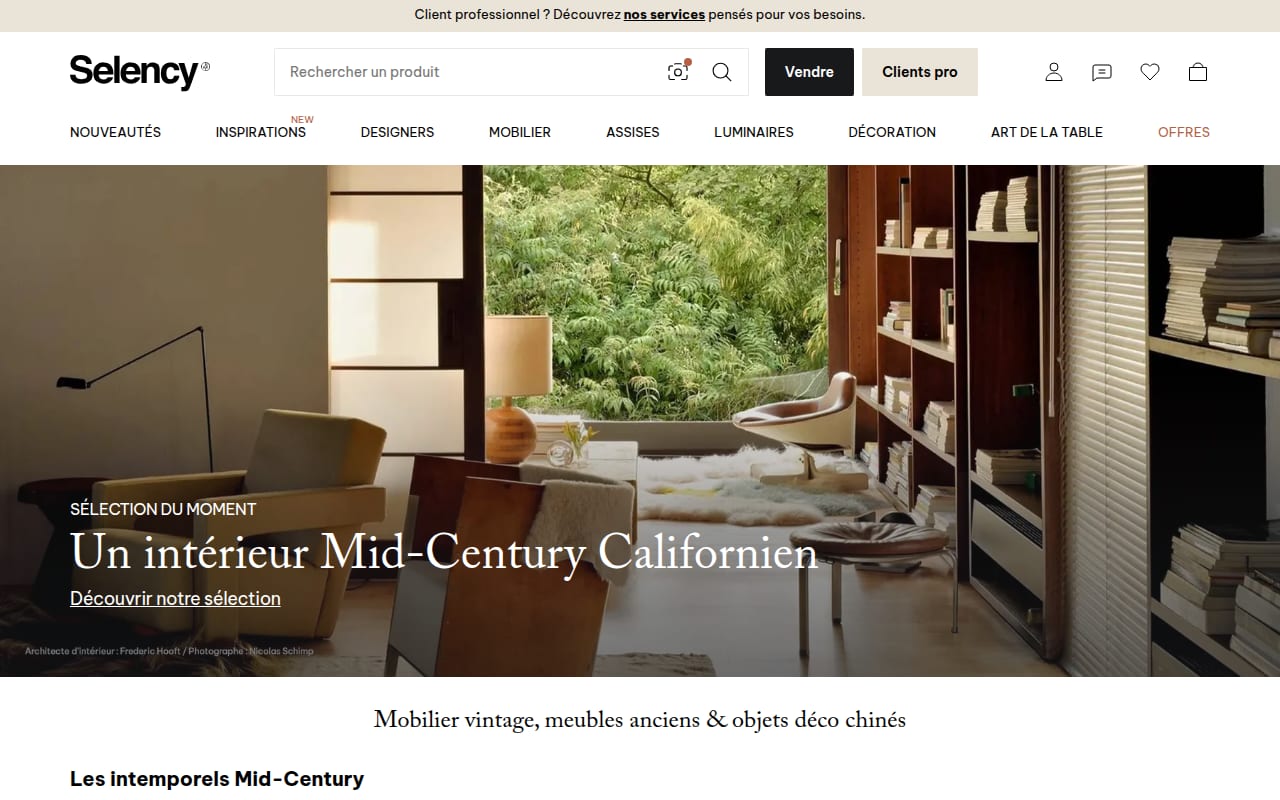
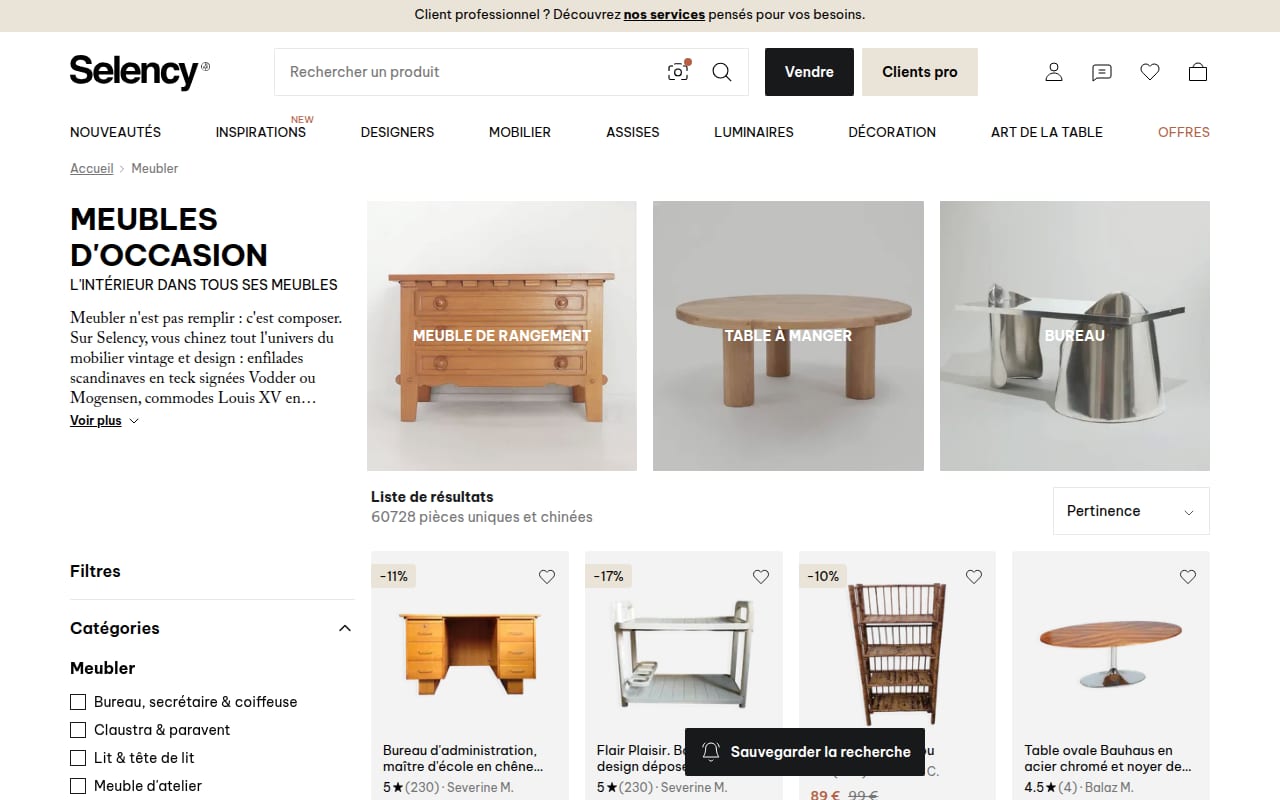
Selency is a French online marketplace for second-hand and vintage furniture and decoration, where antique dealers and private sellers list items that its team checks by hand before they go online.
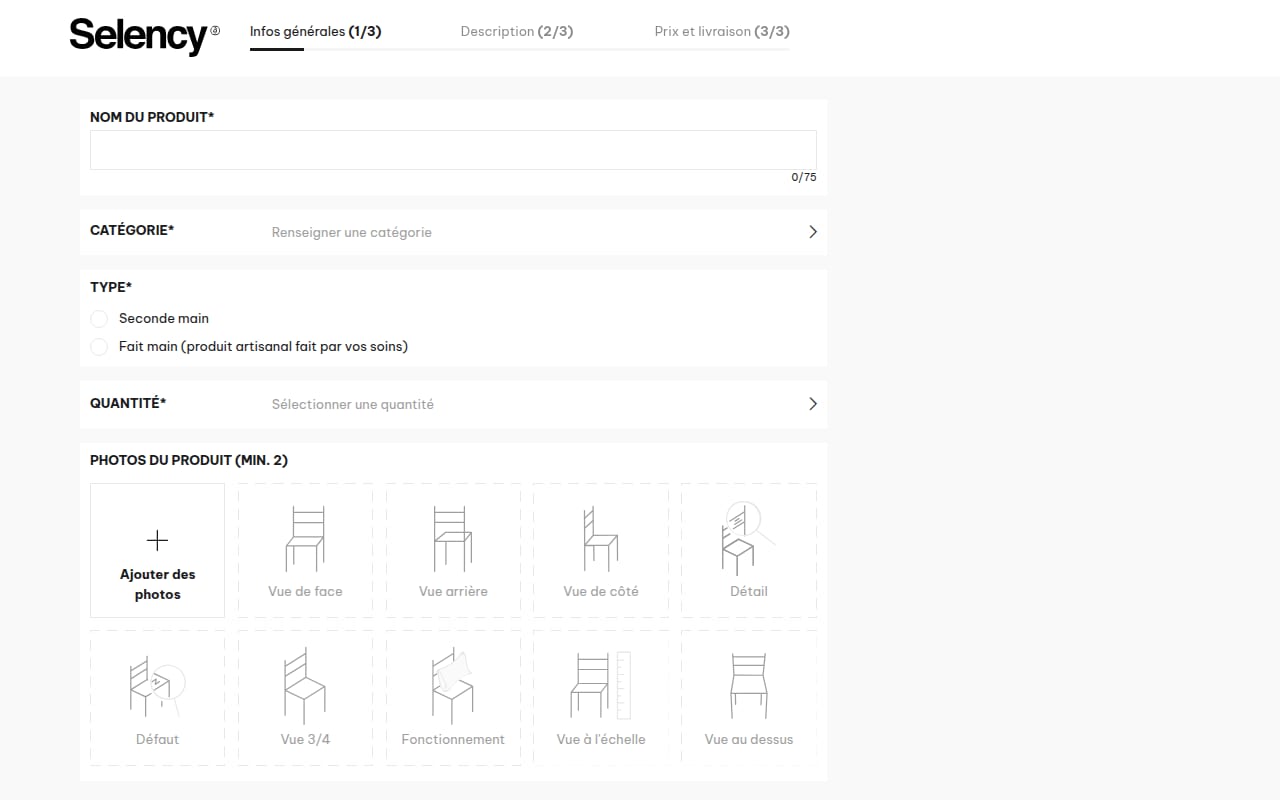
It was founded in 2014 in Bordeaux as Brocante Lab and took the name Selency in 2016. It is a venture-funded start-up: the South African group Naspers invested in it in 2018. Selency counts more than 10,000 sellers, about 300,000 items and 70 staff. Sellers set their prices and Selency takes a commission on each sale, about 12 % according to a seller guide, with no fee for listing.
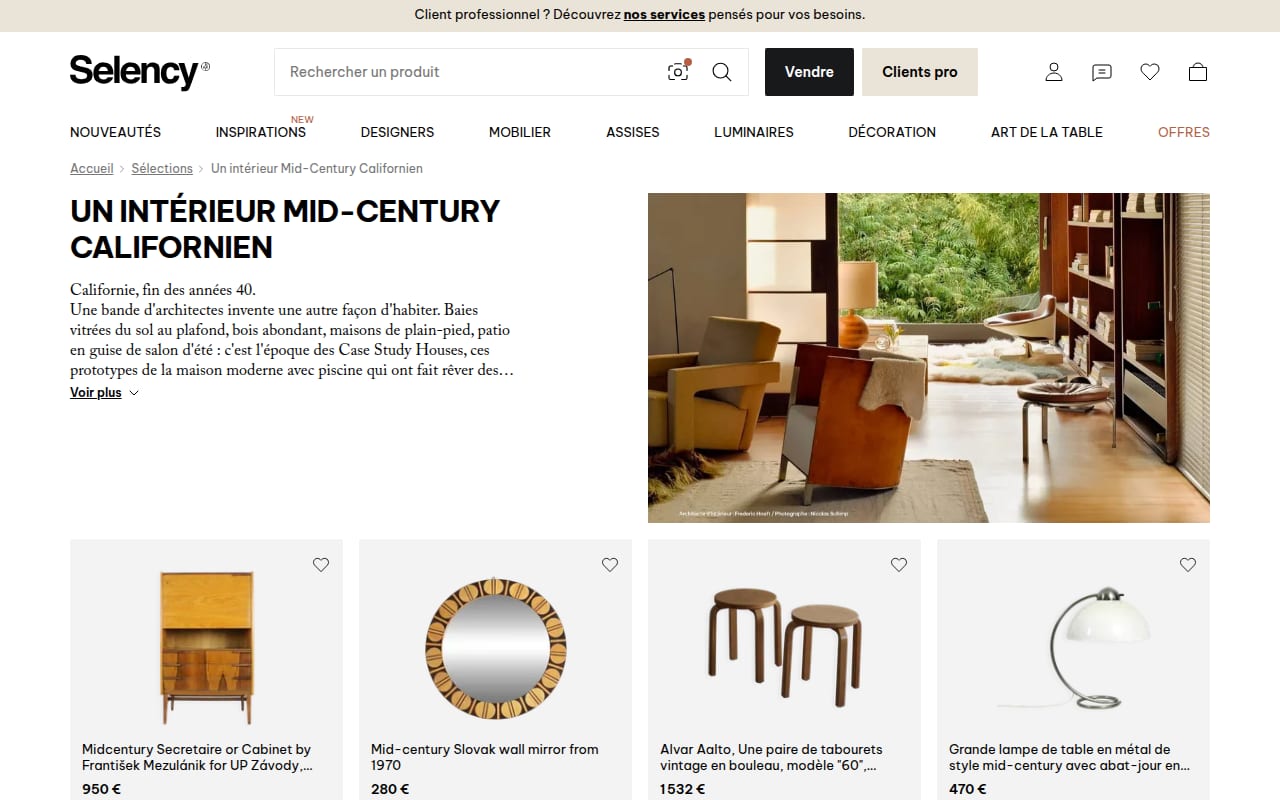
The range runs from a €125 mirror to designer chairs at several thousand euros (prices seen in November 2026). Small parcels go by post. Large furniture goes by carrier, by Cocolis (people who carry parcels on trips they were already making) or with the seller. The site works in French and English, in euros, pounds and dollars, has a Dutch version and delivers to Switzerland.
Strengths
- Every listing is checked by a person before it is published, which cuts down on fakes and poor photos.
- Delivery of large furniture is arranged through the site, including by private drivers already making the trip.
- Buying a piece that already exists avoids the wood, glue and transport of a new one.
Weaknesses
- Many listings are design and vintage pieces priced above a flea market or a charity shop.
- Selency doesn’t publish its commission rate on its public pages, and it is owned by venture investors.
- Professional sellers on Avis Vérifiés regret that phone support was dropped.
Who it is for
People in France and nearby countries who want one particular piece, a mid-century chair or an oak chest of drawers, and prefer second-hand to new.