
Description
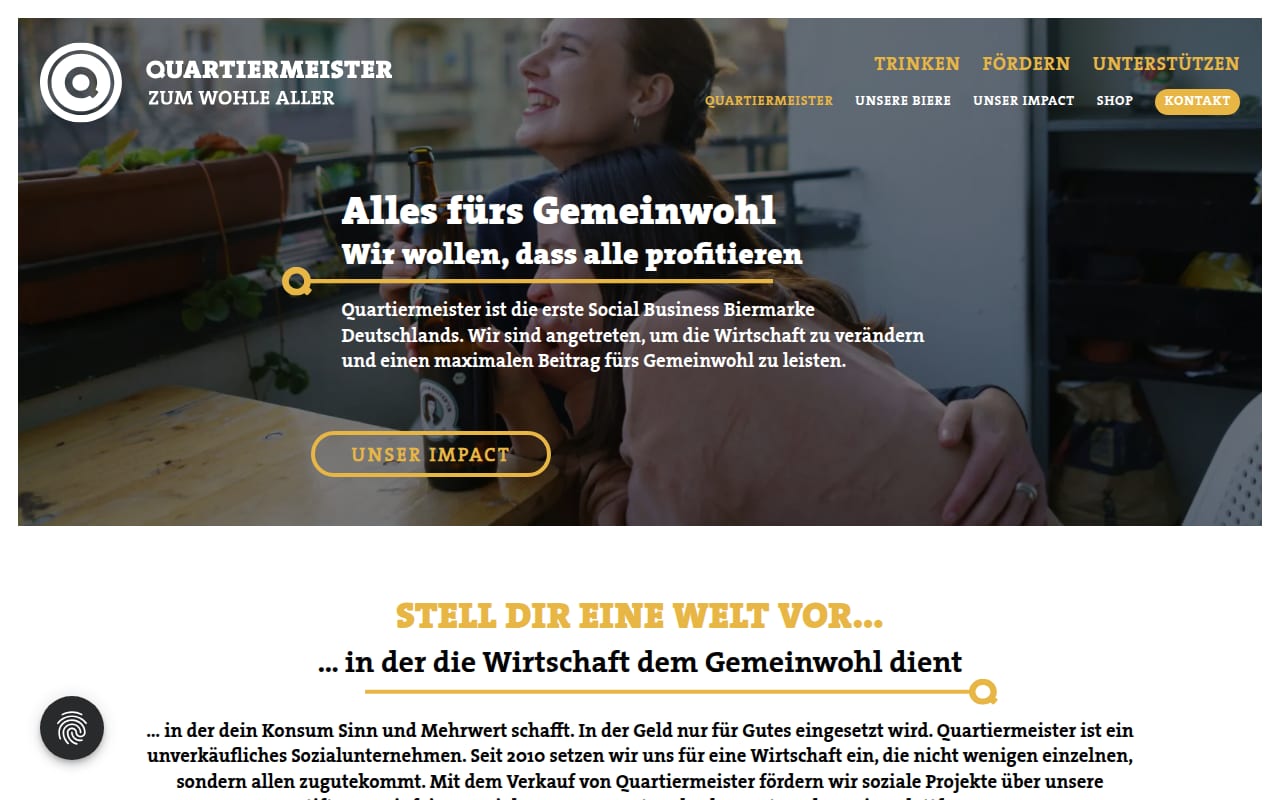
Quartiermeister is a Berlin beer brand owned by a non-profit foundation: its profits go to neighbourhood projects, chosen by public vote in the cities where the beer is drunk.
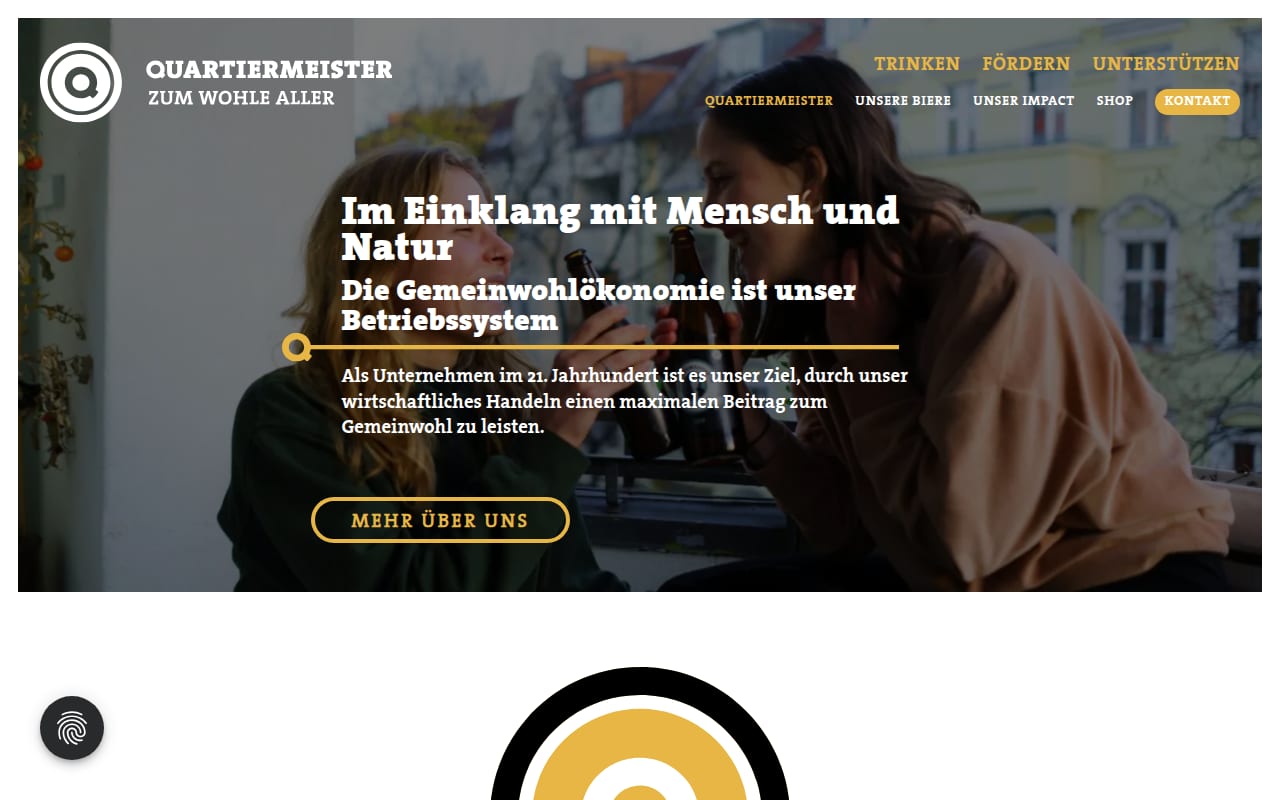
The brand has existed since 2010. The company, Quartiermeister – korrekter Konsum GmbH, has no private shareholders; since 2021 the Quartiermeister Stiftung owns the brand and receives licence fees, which it passes on to projects. A volunteer association with more than 100 members in Berlin, Leipzig, Dresden, Cologne and Munich acts as its “parliament”: it pre-selects the applications from each open call, then an online vote decides, with up to €3,000 per call. The site gives more than €330,000 for over 200 projects in total, and older press reports put the donation at 10 cents per litre. It has been a member of the Economy for the Common Good since 2015.
The beer is brewed under contract by two independent breweries: Stadtbrauerei Wittichenau in Lusatia for the north, which also makes the organic beers, and the cooperative brewery Gut Forsting near Munich for the south. The eight beers include an organic Pils, Helles, wheat beer, alcohol-free beer and radler. Quartiermeister lists over 700 bars, restaurants and organic shops, mostly in Berlin, Dresden, Leipzig and Munich, plus local drinks delivery services and an online shop that ships across Germany.
Strengths
- The foundation owns the brand and the company has no shareholders, so profits can’t be paid out to owners.
- Projects apply in open calls and are chosen by volunteers and a public vote, with results published for each city.
- It is brewed by two independent mid-sized breweries, one of them a cooperative, and most of the range is certified organic.
Weaknesses
- The project totals differ between the site’s own pages, from over 200 to over 230, and the amount per bottle is no longer stated.
- The original Pils and Helles aren’t organic, and the bottles travel from Lusatia or Bavaria to bars in other cities.
- When checked, the newest news post was from December 2025, and neither the stockists page nor the brewery page gives prices.
Who it is for
Beer drinkers, bars and event organisers in Berlin, Leipzig, Dresden or Munich who want the money from their crate to fund projects in their own neighbourhood.
Sources
- Quartiermeister: home, about us, foundation, beers, partner breweries, stockists, projects, news, legal notice (checked November 2026)
- Tagesspiegel: Zum Wohle aller
- bpb: Praxisbeispiel Quartiermeister