
Description
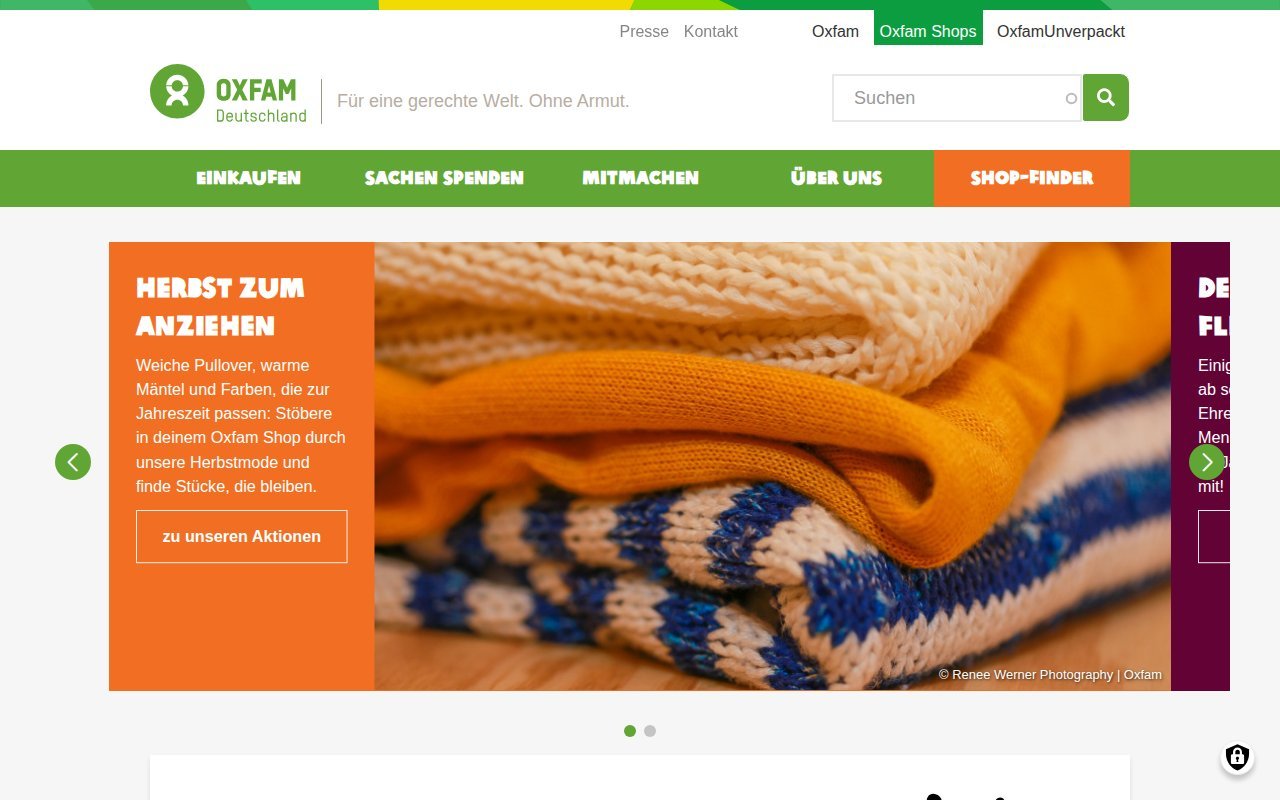
Oxfam Shops are second-hand shops in Germany, run by Oxfam with about 4,000 volunteers, that sell donated clothes, books, music, films and household goods. Their surplus funds Oxfam Deutschland’s development work and emergency aid, which makes them an alternative to fast fashion, new books and second-hand platforms that take a commission on every sale.
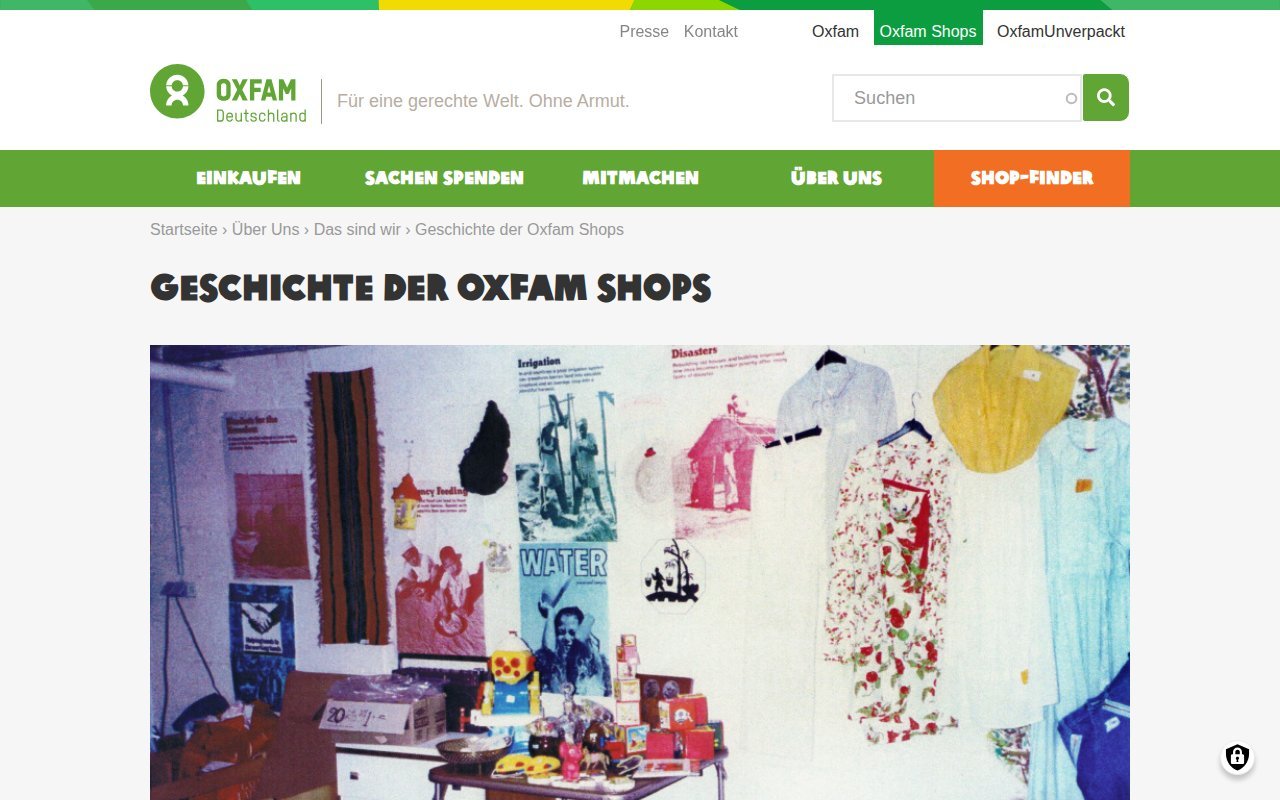
The first German shop opened in Bonn in 1985, on the British model: the first Oxfam shop opened in Oxford in 1948. The shops belong to Oxfam Deutschland Shops gGmbH, a charitable company wholly owned by the association Oxfam Deutschland e.V. In the 2025/26 financial year its 56 shops sold €18.7 million worth of goods, and the company passed €4 million to the association. Oxfam Deutschland holds the DZI donation seal, and 79 % of its spending in 2025/26 went to projects and campaigns.
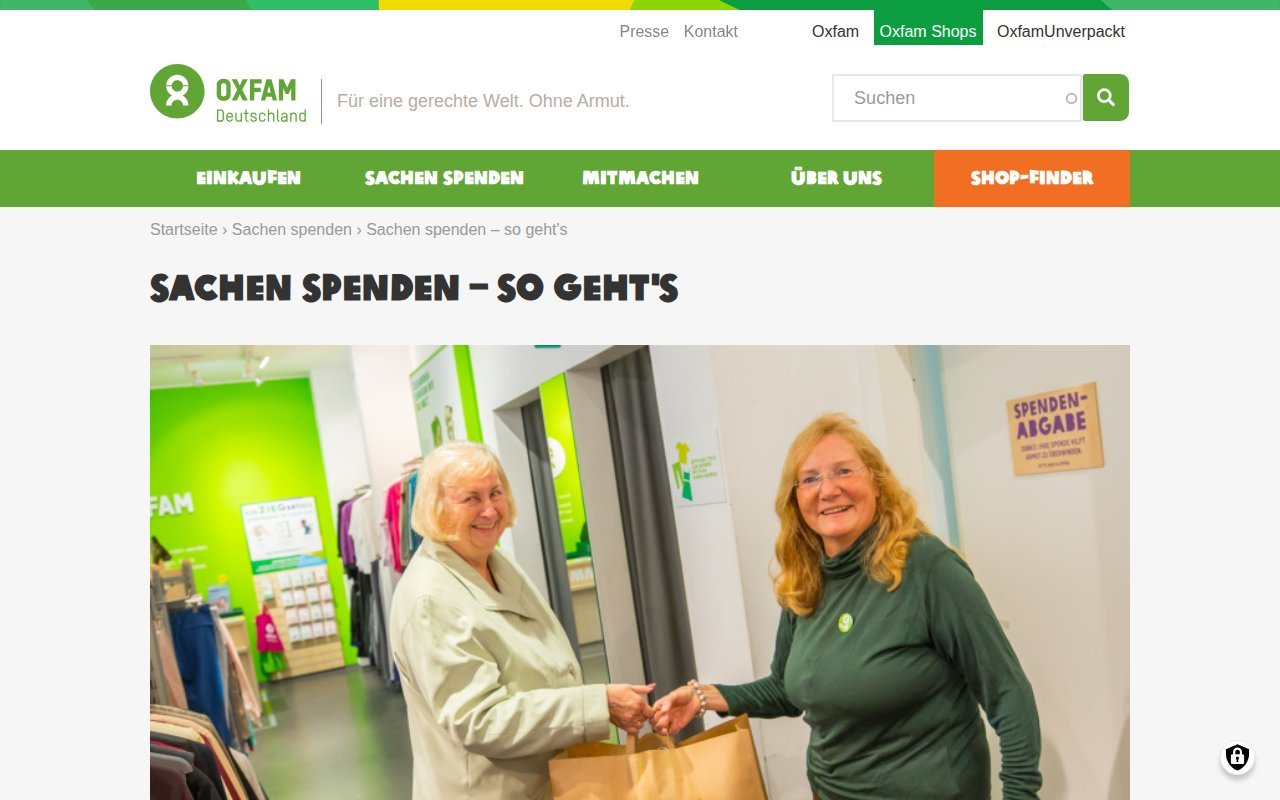
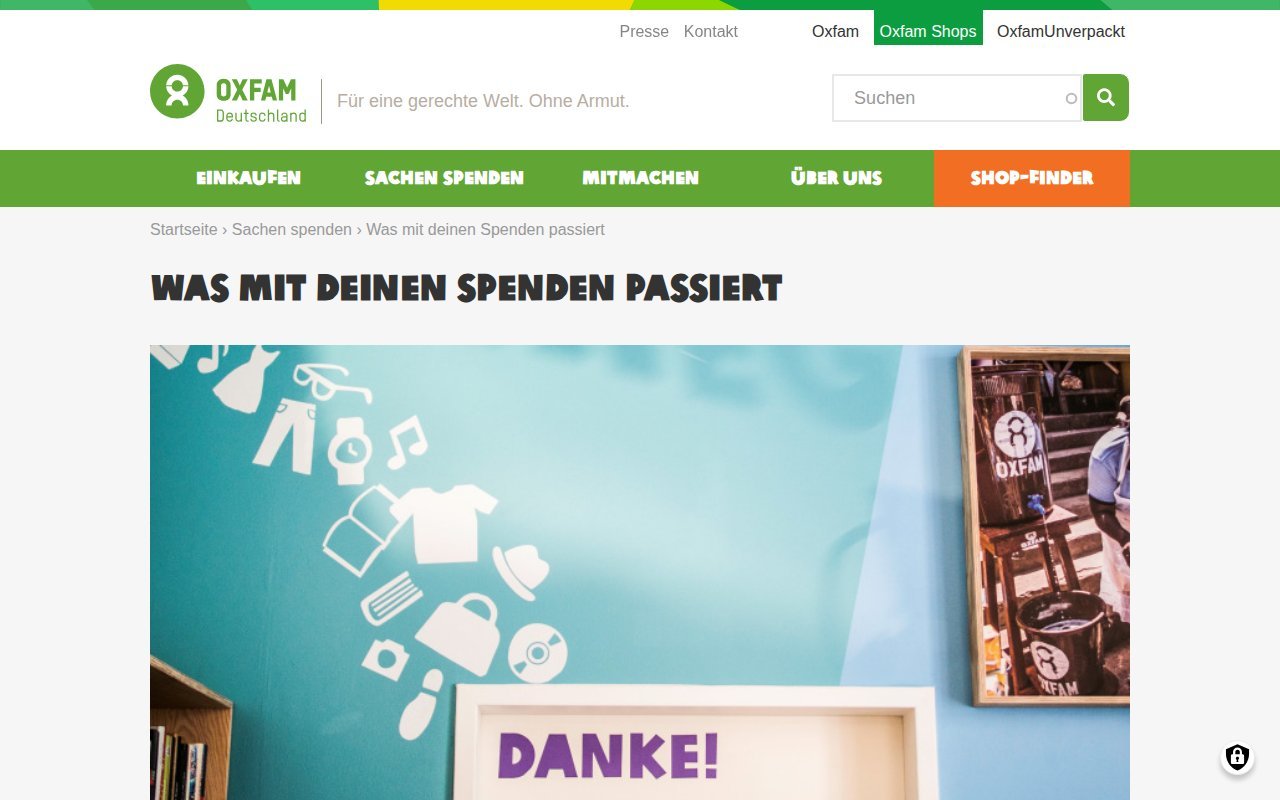
There are mixed shops, fashion shops and book shops, mostly in larger towns. Donations must be clean and undamaged, clothes are only taken in season because storage space is short, and large amounts should be announced to the shop first. Unsold goods go to local social department stores, other charities or textile recyclers in the FairWertung network.
Strengths
- Every purchase and donation funds Oxfam’s development and emergency work, and the shop company publishes its accounts every year.
- Volunteers do most of the sorting and selling, which keeps costs down and leaves a surplus for the charity.
- Unsold goods go to social shops or FairWertung partners instead of being thrown away.
Weaknesses
- 56 shops for the whole of Germany, mostly in larger towns, and no online shop for second-hand goods.
- Clothes are only taken in season and in small amounts, so clearing a wardrobe can take several trips.
- The choice of sizes and titles depends on donations, as in any second-hand shop.
Who it is for
Shoppers and donors in German towns with an Oxfam Shop who want second-hand clothes and books and want the money to go to a charity, and people looking for a few hours of volunteering a week.
Sources
- Oxfam Shops: home, Geschichte, Sachen spenden, was mit Spenden passiert, Finanzmittel, checked November 2026
- Oxfam Deutschland: Transparenz