
Description
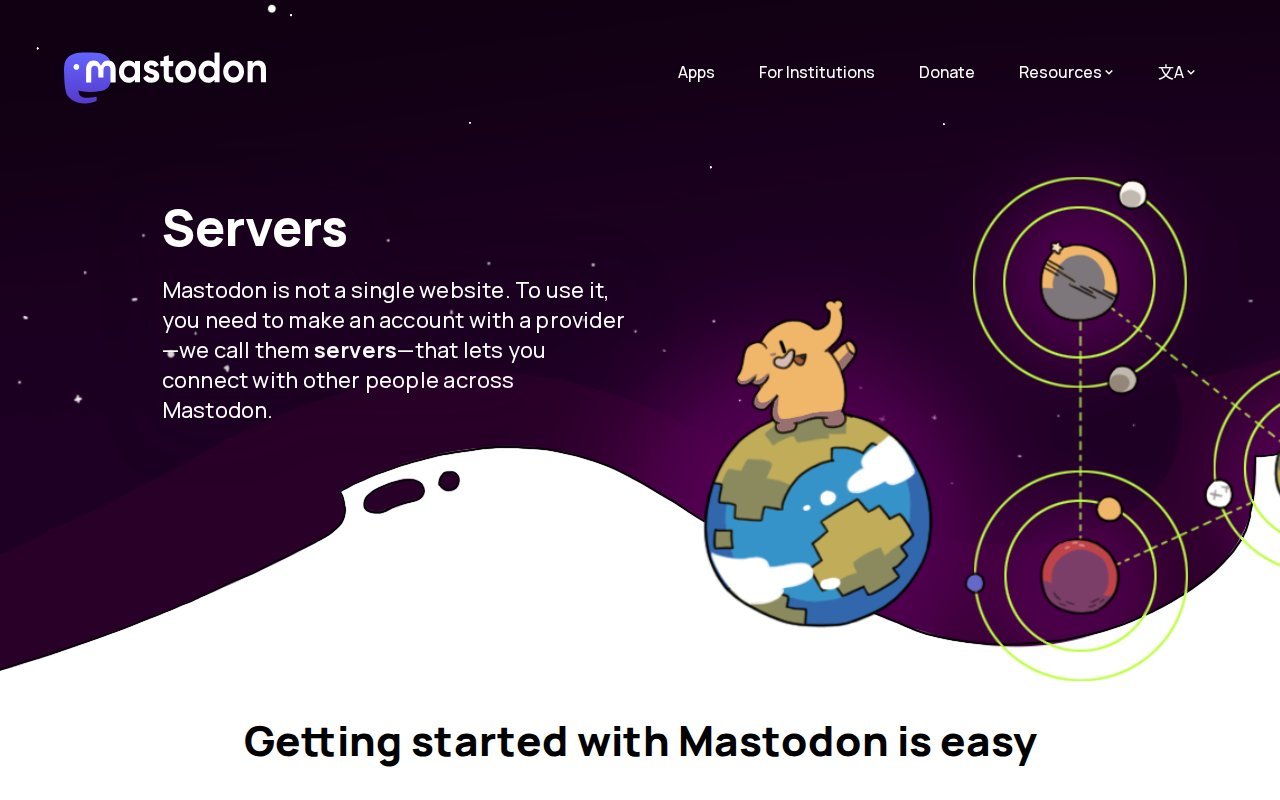
Mastodon is open-source software for a decentralised social network: thousands of independent servers, run by associations, universities, media, public bodies or individuals, connect with each other and with other services of the Fediverse through the ActivityPub protocol. It is an alternative to X, Facebook and Instagram with no advertising and no algorithm choosing what users see: the home timeline shows posts from followed accounts in order.
Eugen Rochko started it in Germany in 2016. The software is published under the AGPL licence and developed by a small non-profit team that turned down venture capital. It is funded by donations, grants and paid hosting for large organisations such as the European Commission and the state of Schleswig-Holstein; in April 2026 Germany’s Sovereign Tech Fund awarded it €614,000. In 2025 the project began moving to a new European non-profit foundation, and in November 2025 Rochko stepped down as CEO in favour of Felix Hlatky.
Each server sets its own rules and moderation, and administrators can block whole servers. The list on joinmastodon.org includes only servers that have signed the Mastodon Server Covenant on moderation. The network is far smaller than the big platforms: about 10.5 million registered accounts in April 2026, but only 750,000 to one million active each month, depending on the tracker.
Strengths
- No advertising, no ad tracking and no engagement algorithm: the timeline shows followed accounts in chronological order.
- No one can buy the whole network: each server is run independently, and anyone can install the software.
- Servers exist for many languages, regions, professions and interests, and some public bodies run their own official ones.
Weaknesses
- Choosing a server and finding people to follow takes effort at first, and each server has its own rules.
- Monthly active users fell from about 2.5 million in late 2022 to under a million in 2026, so many contacts and organisations aren’t there.
- Direct messages are not end-to-end encrypted, so a server’s administrators can read them; encryption is one of the projects funded in 2026.
Who it is for
People and organisations who want to post, follow and discuss without advertising or an algorithm, and who accept a smaller audience than on the commercial platforms.