
Description
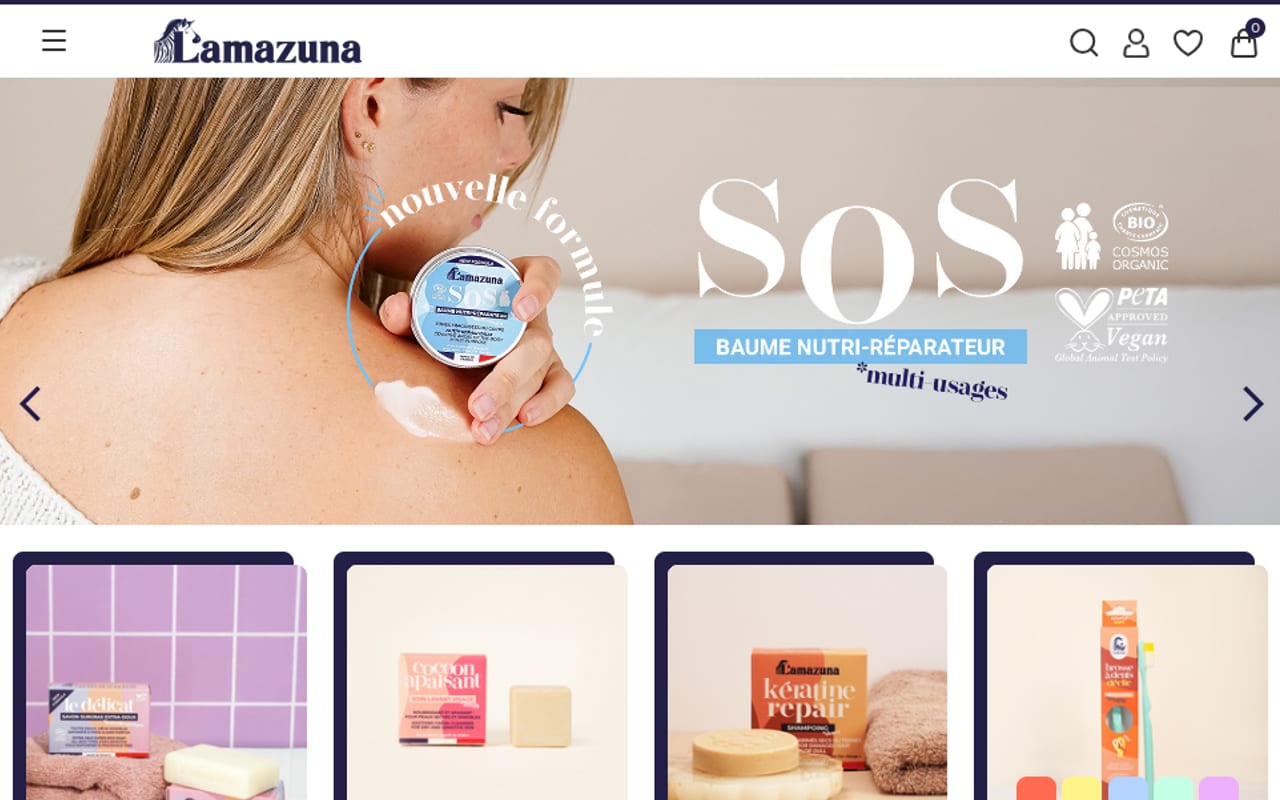
Lamazuna is a French brand of zero-waste bathroom products: solid shampoos, conditioners, deodorants and toothpastes, washable make-up remover wipes, rechargeable toothbrushes and menstrual cups. It replaces liquid cosmetics in plastic bottles and disposable cotton pads with products sold without plastic packaging.
Laëtitia Van de Walle started it in Paris in 2010 with microfibre wipes to replace cotton pads; one wipe can be washed about 300 times, according to a 2021 article. The first solid cosmetics followed in 2014. In July 2018 the company moved its offices to Marches, in the Drôme, where it is building an eco-site, and it kept a shop in Paris. In a 2018 interview the founder said the solid cosmetics are made by hand near Nice with organic, vegan ingredients, that the deodorants contain no aluminium salts and that the boxes can go in the compost. Retailers describe the cosmetics as certified organic but don’t name the certifier.
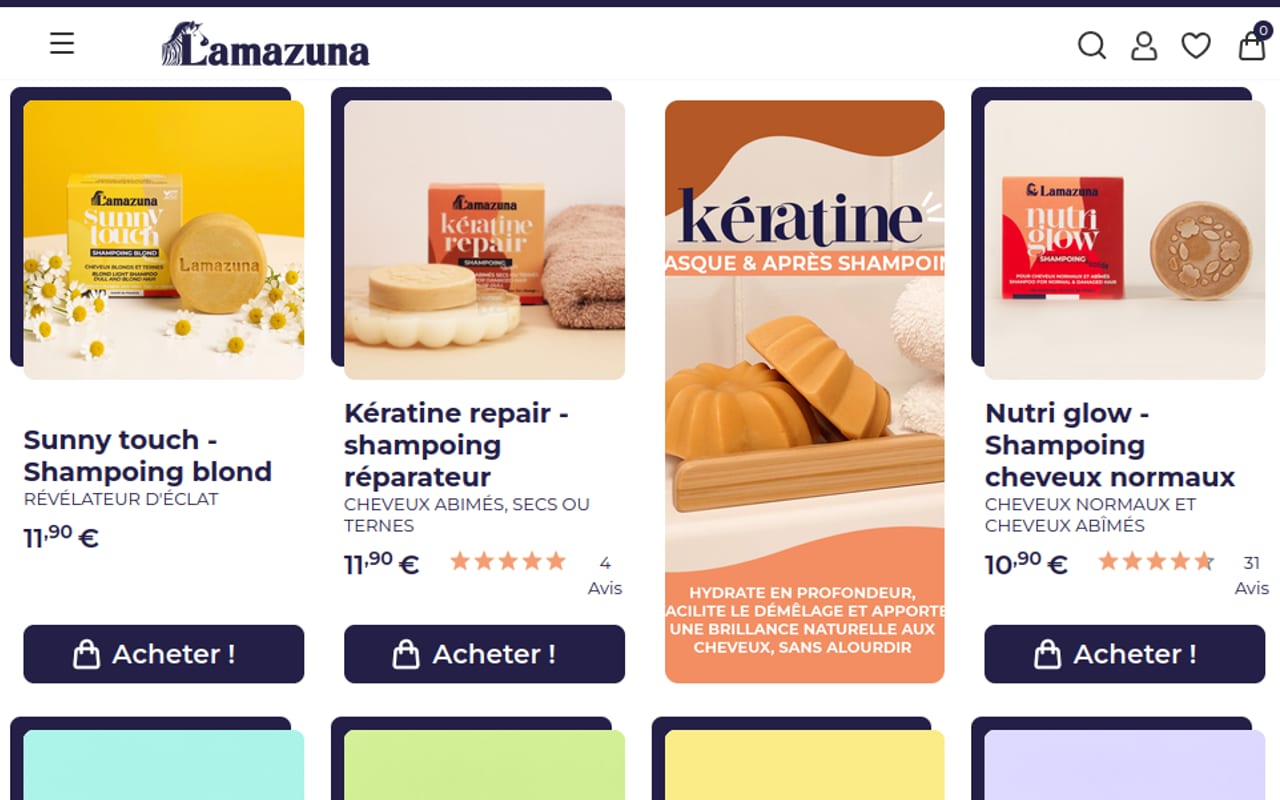
On a retailer’s site in November 2026, a solid shampoo or deodorant cost €9.90, a solid toothpaste €8.50, a menstrual cup €26.30 and a poplar-wood box of ten wipes €17.50. The products are sold online and in organic shops and pharmacies.
Strengths
- Solid shampoos, deodorants and toothpastes come in compostable boxes instead of the plastic bottles and tubes of their liquid versions.
- Washable wipes, menstrual cups and toothbrushes with replaceable heads cut out cotton pads, tampons and whole plastic brushes.
- Made in France, by hand for the solid cosmetics, with organic and vegan ingredients according to the founder.
Weaknesses
- No independent tester has published how long the solid products last or how well they wash compared with liquid ones.
- The organic and vegan claims appear on retailer pages without the name of a certifying body, so they are hard to check.
- Solid shampoos take a few washes to get used to, and several products were out of stock at the retailer in November 2026.
Who it is for
Households who want less plastic in the bathroom and prefer to change one product at a time, starting with shampoo, deodorant or cotton pads.
Sources
- The official site lamazuna.com could not be read automatically.
- Alternativi: Lamazuna concrétise un projet d’éco-lieu (2021), brand page and prices, checked November 2026
- L’info durable: Lamazuna, le pari du zéro déchet (2018)
- Welcome to the Jungle: Lamazuna (2023)