
Description
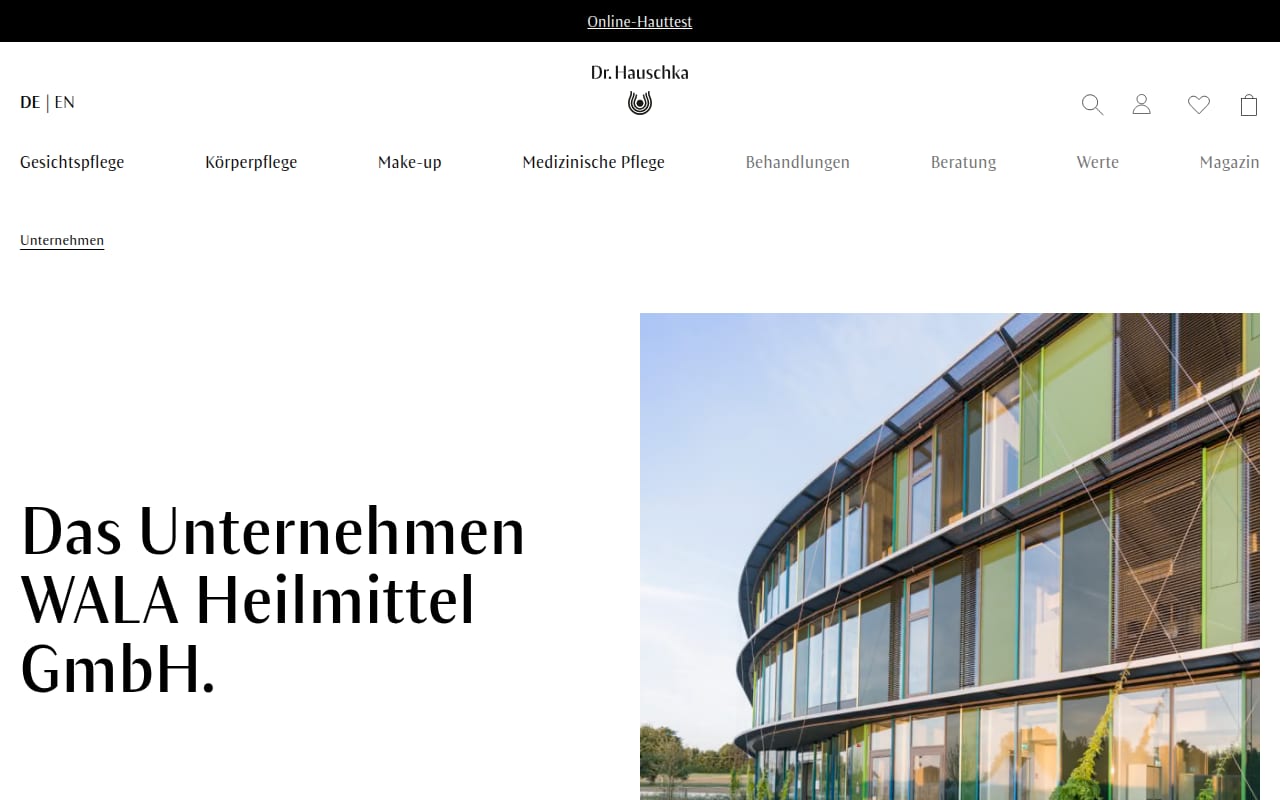
Dr. Hauschka is a range of certified natural cosmetics made by WALA, a foundation-owned company in Bad Boll-Eckwälden in Swabia that grows many of its medicinal plants in its own biodynamic garden.
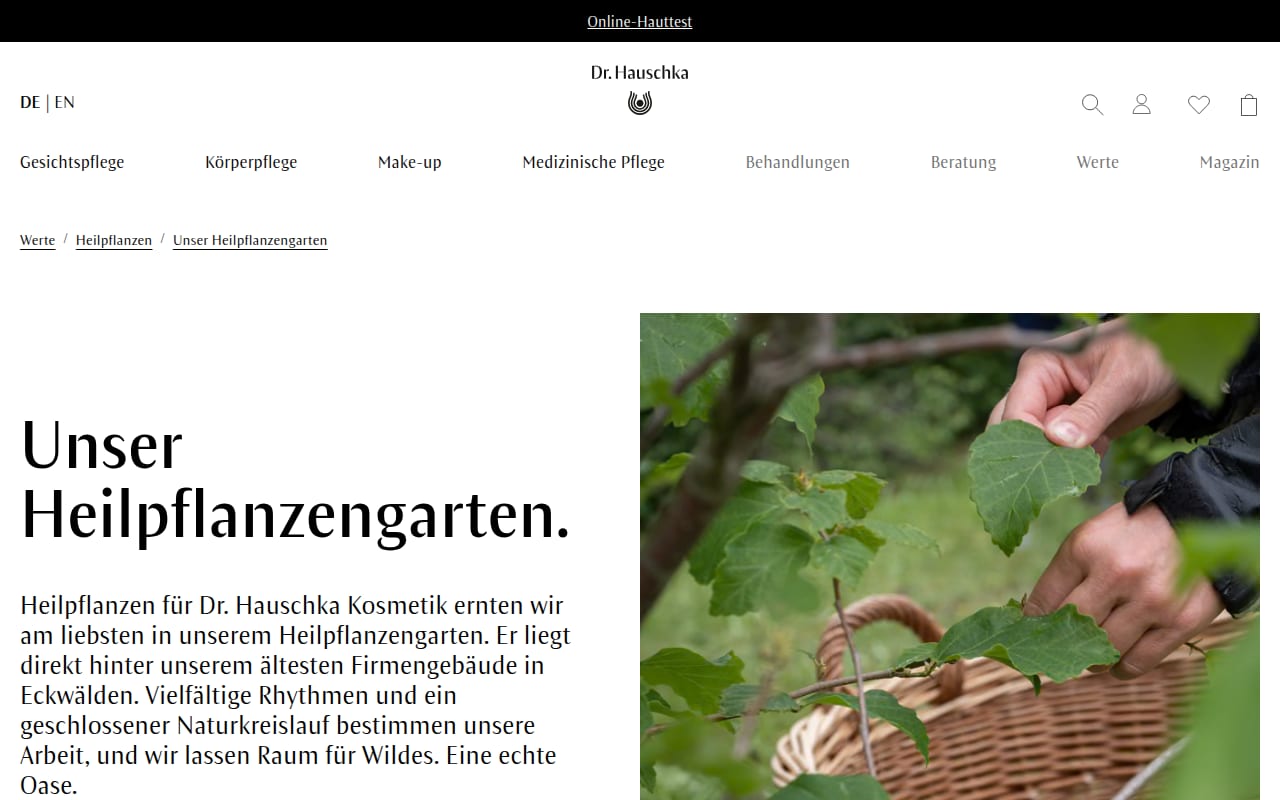
WALA was founded in 1935 by the chemist Rudolf Hauschka in Ludwigsburg, moved to Eckwälden in 1950 and launched the cosmetics in 1967. Since 1986 it has been a foundation company, linked to the WALA Stiftung, so it has no outside shareholders; it employs more than 1,000 people and also makes WALA medicines. The garden next to the factory covers about 5 hectares with more than 150 species of medicinal plants, farmed to Demeter guidelines, and is open for guided tours. Other raw materials come from organic farming where available.
The products carry the NATRUE natural cosmetics label. WALA says it has not tested Dr. Hauschka products on animals since 1967 and the brand is on PETA’s list of cosmetics without animal testing. In Öko-Test, the rose day cream was rated “sehr gut” in 2022 and the foot cream also got “sehr gut”. Prices in the online shop in November 2026: cleansing cream 50 ml €18, rose day cream 30 ml €31, Lippengold lip tint €9.50 and shower cream 150 ml €9. WALA gives 40 or 50 export countries, depending on the page.
Strengths
- The company belongs to a foundation, not to investors, and has made its cosmetics in the same Swabian village since 1967.
- The products carry the NATRUE label, which allows only natural and nature-identical ingredients and is checked by independent certifiers.
- Several products, such as the rose day cream and the foot cream, were rated “sehr gut” in Öko-Test.
Weaknesses
- Face care is expensive: 30 ml of rose day cream costs €31 and a 20 ml night serum €33.
- WALA doesn’t say what share of its ingredients is organic or biodynamic, only that organic raw materials are used where available.
Who it is for
People in Germany and the other countries where it is sold who want certified natural skin care from a foundation-owned maker and can pay pharmacy prices for it.