

Description
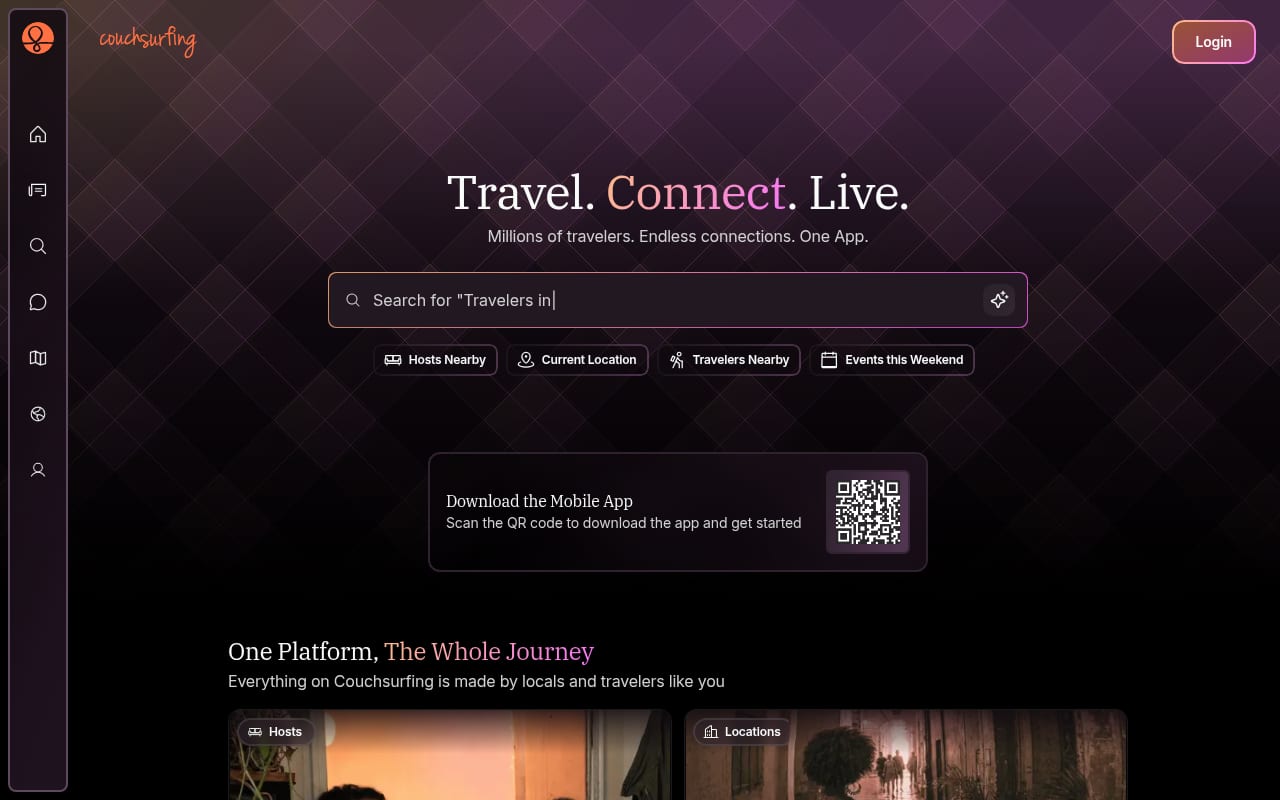
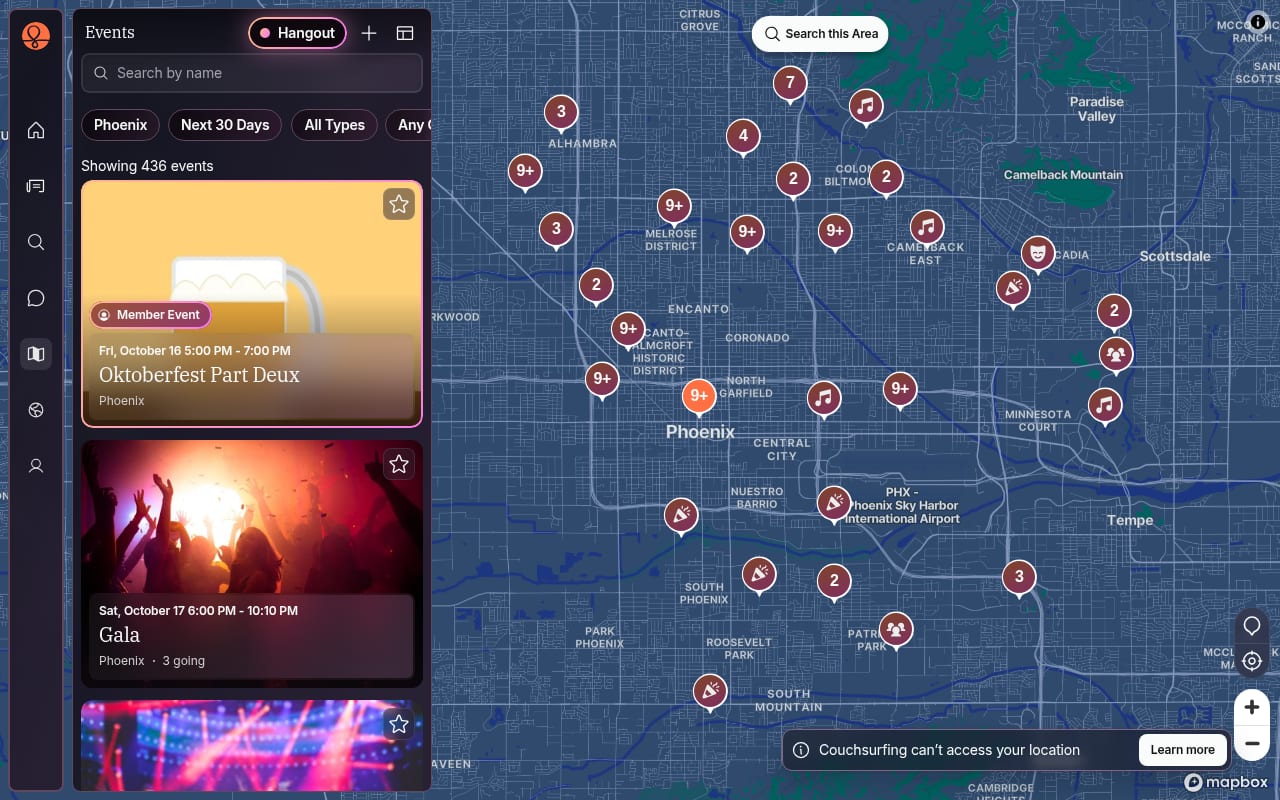
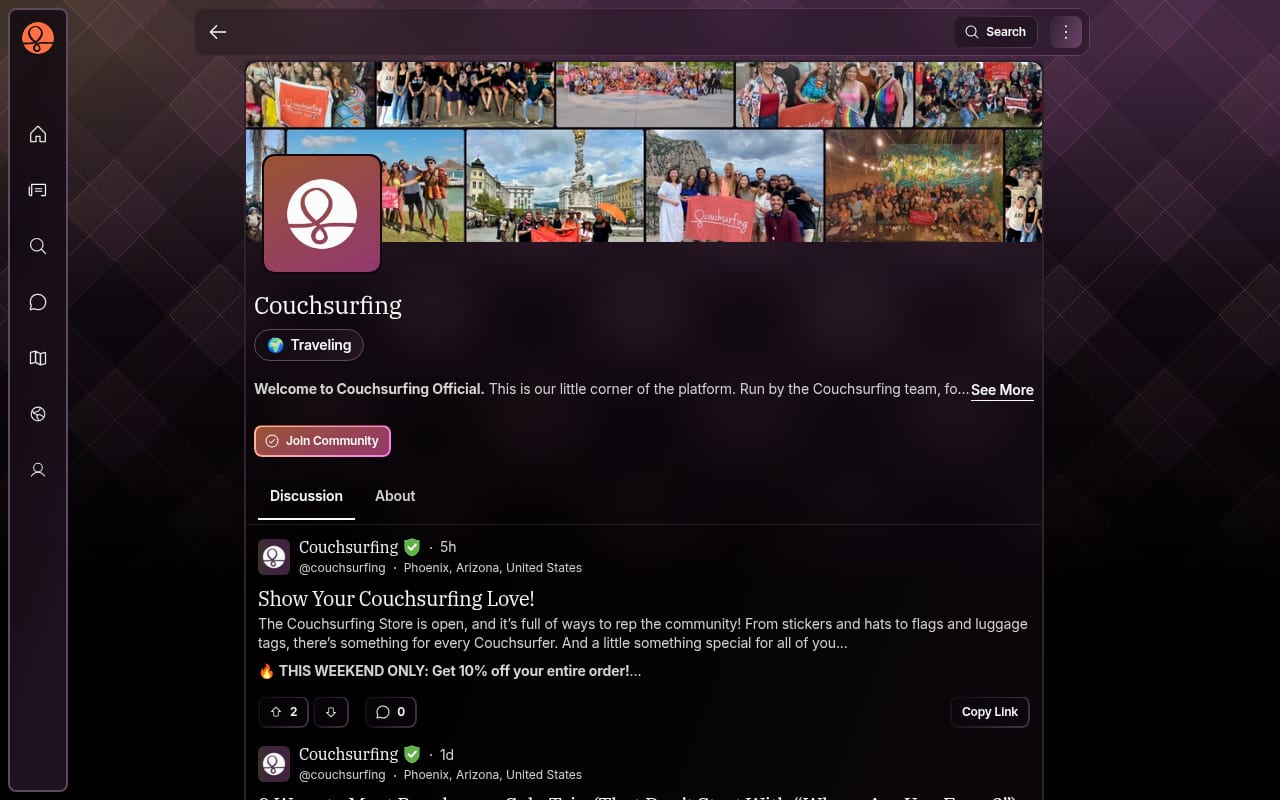
Couchsurfing is a website and app that connects travellers with locals who put them up for free, on a sofa, in a spare room or on a mattress. Hosts may not charge for the stay, and they decide whom to accept. After the visit both sides leave a public reference about each other, and local groups and events let members meet without staying over.
It was launched in 2004 as a non-profit project by Casey Fenton and three co-founders. In 2011, after the US tax authorities refused it charity status, it became a for-profit company and raised $22.6 million from investors including Benchmark and General Catalyst in 2011 and 2012. Since May 2020 everyone has to pay a subscription to use it, hosts included, and the change drew widespread anger from members. Identity verification costs a separate one-time fee that depends on the country, and unverified members can send only ten messages a week.
Free alternatives work on the same principle: Couchers.org, run by a US non-profit, as well as BeWelcome and Trustroots.
Strengths
- A free place to sleep, since hosts may not ask for money.
- Public references from earlier guests and hosts help decide whom to trust.
- Local events and groups to meet people without staying with them.
Weaknesses
- A paid subscription since 2020, even for hosts, plus a fee for identity verification.
- Unverified members can send only ten messages a week, and hosts prefer verified profiles.
- Sleeping at a stranger’s home carries risks, and many profiles are no longer active.
Who it is for
Travellers alone or in pairs on a tight budget who want to stay with locals for a few nights and take the time to read references.