


Description
Amalgamated Bank is a New York bank founded by a garment workers’ union in 1923 and still majority-owned by a union, which says it has never lent to fossil fuel companies.
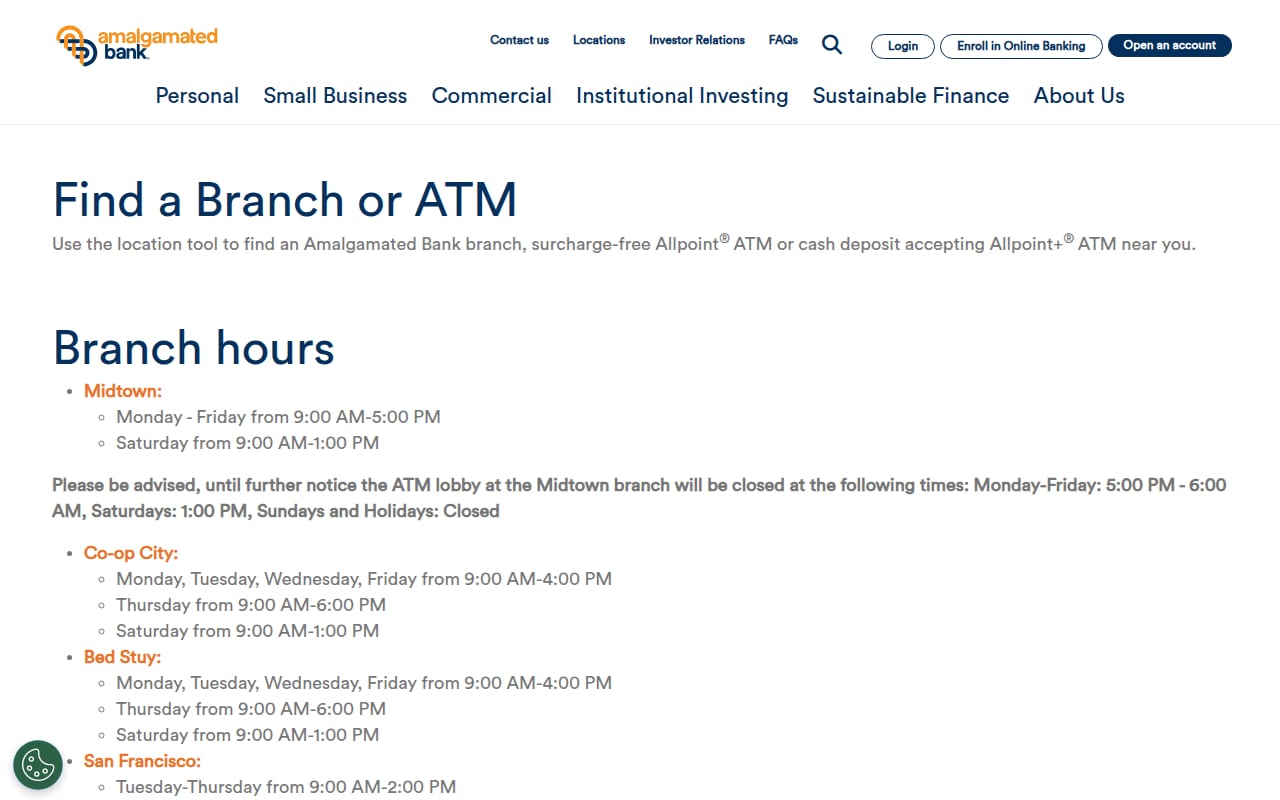
The Amalgamated Clothing Workers of America founded it on 14 April 1923, pooling workers’ savings. It is the largest union-owned bank in the United States and one of the few with unionised staff. Its largest shareholder is Workers United, an affiliate of the SEIU union, with about 41% of the shares; the rest are traded on the stock market. In 2023 it had assets of $7.97 billion. It has branches in New York City and accepts the city’s free IDNYC card as identification, which helps people without other papers open an account.
The bank says it has never lent to fossil fuel companies and was the first American bank to set net-zero targets aligned with the Paris Agreement. Critics question this. The conservative Labor Pains blog, which is hostile to unions, reported in 2023 and 2025 that the bank’s investment portfolio held hundreds of millions of dollars in companies in fossil fuels, private prisons, firearms and tobacco, and in contractors of the immigration agency ICE. These claims concern its holdings, not its loans.
Strengths
- A union owns the largest stake, and the bank’s own staff are unionised.
- It says it has never lent to fossil fuel companies, and it set Paris-aligned net-zero targets.
- Its New York branches accept the free IDNYC card, so people without other ID can open an account.
Weaknesses
- Critics report investments in fossil fuels, private prisons and ICE contractors in its portfolio, though their source is a blog hostile to unions.
- It is listed on the stock market, so part of the profit goes to outside shareholders.
Who it is for
Households, unions and non-profits in the United States who want a bank owned mainly by a union and committed to keeping its loans away from fossil fuels.
Sources
- Amalgamated Bank: statement on the West Virginia v. EPA ruling (checked November 2026)
- Wikipedia: Amalgamated Bank
- E&E News: The bank where greens put their greenbacks (2018)
- Labor Pains: Union-controlled Amalgamated Bank profiting off immigration crackdown (July 2025)
- American Banker: Amalgamated says profits are ‘best answer’ to political risk